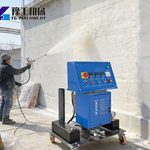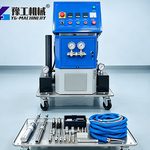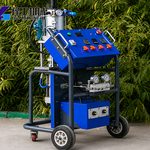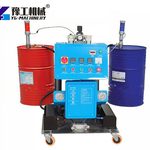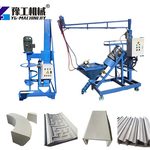
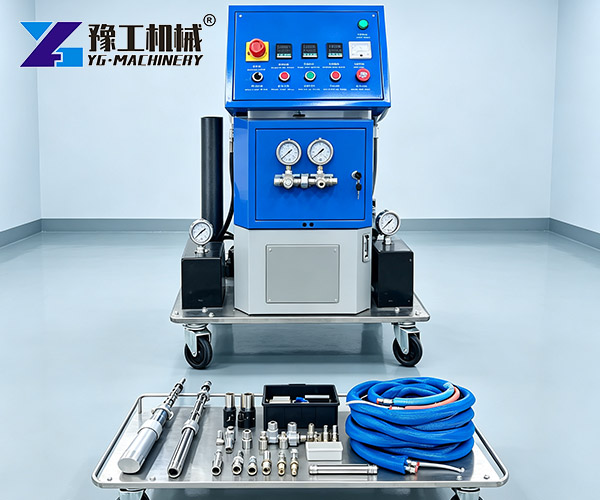
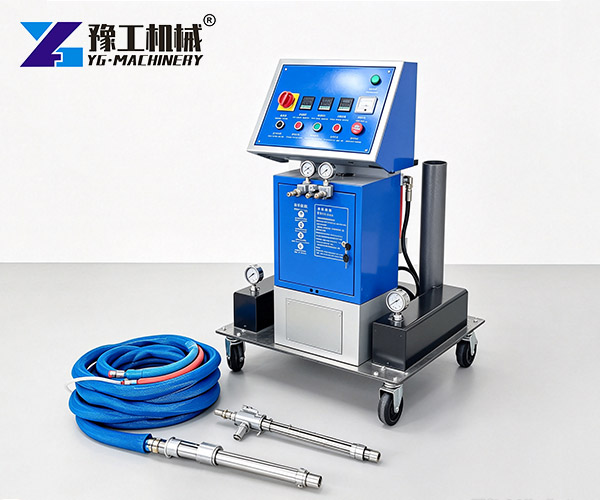
A Polyurethane Foam Spray Machine is designed for applying polyurethane foam in insulation and sealing projects. Polyurea spraying equipment serves a different purpose. It applies protective coatings to suitable surfaces in construction and industrial applications.
Choosing between these systems requires more than comparing machine prices. Material properties, equipment configuration, project conditions, and the desired surface result all affect the decision. This article explains the main differences and the factors to consider before purchasing spraying equipment.
Material and Performance Differences Between Polyurethane Foam and Polyurea
1. Material Characteristics
Polyurethane foam expands after its components react, forming a layer that can reduce heat transfer. It is widely used in building insulation and can fill suitable gaps and irregular areas.
Polyurea is generally applied as a protective coating. Depending on its formulation, it can provide waterproofing, flexibility, abrasion resistance, or resistance to certain chemicals.
The main distinction is their purpose. Polyurethane foam is commonly selected for insulation, while polyurea is often chosen for surface protection.
2. Performance and Curing
Polyurethane foam performance depends on factors such as density, thickness, and installation quality. Polyurea coating performance varies according to its formulation and the exposure environment.
Their curing behavior also differs. Polyurethane foam expands as it reacts, while many polyurea coatings cure rapidly. Actual curing times depend on the material and working conditions.
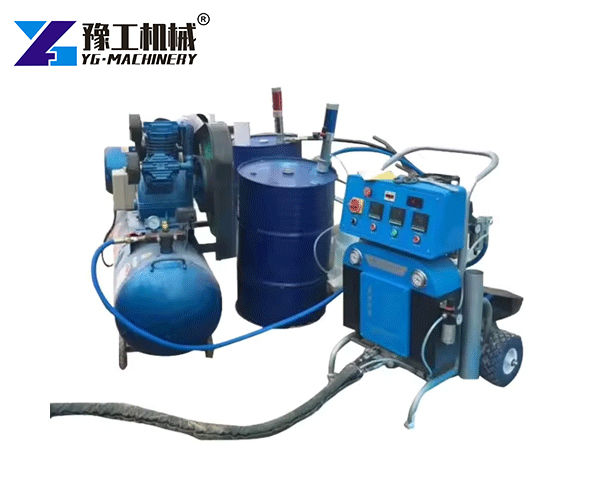
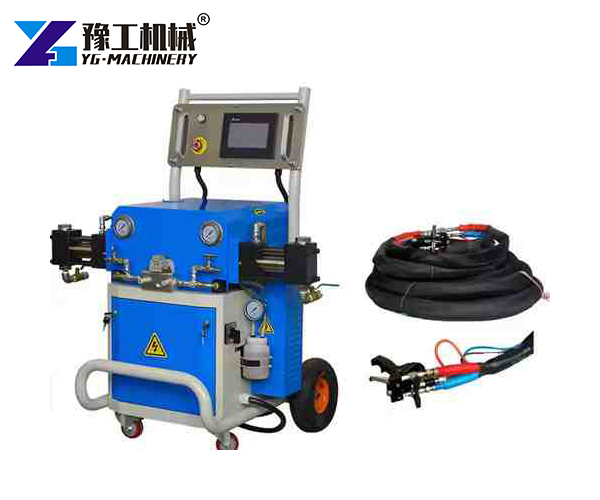
Equipment Differences Between Polyurethane Spray Foam Machine and Polyurea Coating Machine
1. Heating and Temperature Control
Both machines may use heated delivery systems, but their settings depend on the material formulation.
Polyurethane foam equipment maintains suitable temperatures for component flow and foam formation. Polyurea equipment follows the coating manufacturer’s specified operating range.
A setting suitable for one material may not suit another. Check the material data sheet and machine specifications before selecting the heating configuration.
2. Pressure and Mixing Systems
Both systems may use two component proportioning systems, but pressure, output, and mixing requirements depend on the material.
For polyurethane foam, correct proportioning supports consistent expansion. For polyurea, it supports the required coating properties.
The machine’s rated pressure and output must match the selected material. Confirm these requirements with the equipment supplier instead of assuming that one configuration suits both applications.
3. Spray Guns and Material Compatibility
Foam spray guns must suit the required coverage and thickness. Polyurea spray guns must match the coating’s application requirements.
Hoses, seals, internal passages, and mixing components must also be compatible with the selected material. Some machines support multiple materials with an approved configuration, while others are designed for specific applications.
Confirm compatibility with the manufacturer before changing materials.
Applications of Polyurethane Spray Foam Equipment and Polyurea Coatings
1. Polyurethane Foam Applications
Polyurethane foam spraying is commonly used for roof insulation, wall insulation, cold storage facilities, and warehouses. It may also be used for suitable pipes and tanks that require thermal insulation.
For large buildings, contractors should consider coverage requirements and access to the working area. For restricted spaces, machine mobility and hose reach may be more important.
2. Polyurea Coating Applications
Polyurea coatings are used on suitable concrete structures, industrial floors, bridges, and storage tanks. The selected formulation should match the substrate and service environment.
For example, an industrial floor exposed to vehicle traffic may require different coating properties from a concrete surface exposed mainly to water. Surface preparation and application procedures should follow the coating manufacturer’s instructions.
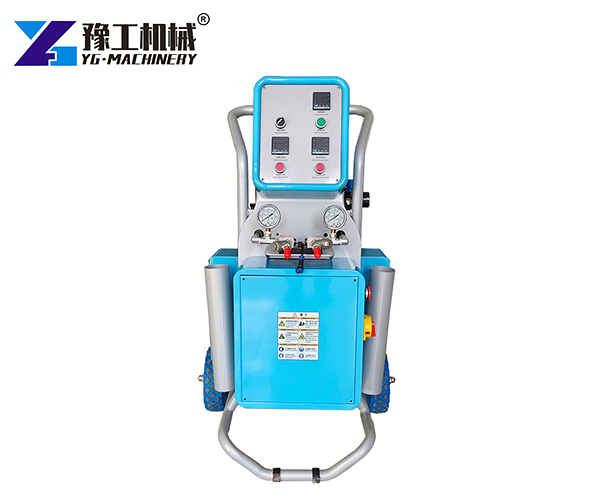
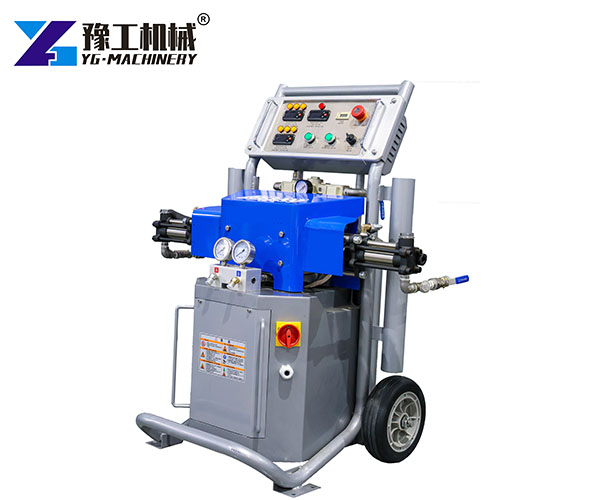
Comparison Table
| Comparison Item | Polyurethane Foam System | Polyurea Coating System |
|---|---|---|
| Main purpose | Thermal insulation | Surface protection |
| Material behavior | Expands to form foam | Forms a protective coating |
| Common applications | Roofs, walls, cold storage | Concrete, industrial floors, infrastructure |
| Main performance goal | Insulation and suitable gap filling | Waterproofing and protective properties |
| Key equipment factors | Coverage, output, and material requirements | Coating requirements and material compatibility |
Frequently Asked Questions
Q1: Can One Machine Spray Both Materials?
Not automatically. Obtain confirmation from the equipment manufacturer that the system and its components are approved for the intended materials.
Q2: Which Material Is More Suitable for Roof Projects?
Polyurethane foam is commonly used when thermal insulation is the main objective. A protective coating may be suitable when the project requires a specific surface protection system. The building design determines the final choice.
Q3: Does Polyurea Require Special Surface Preparation?
Surface preparation depends on the substrate and coating formulation. Check the technical data sheet for requirements relating to cleanliness, moisture, primers, and application conditions.
Q4: What Should Be Included in a Spraying Equipment Quotation?
The quotation should identify the machine configuration, included accessories, technical specifications, delivery terms, warranty conditions, and available service support.
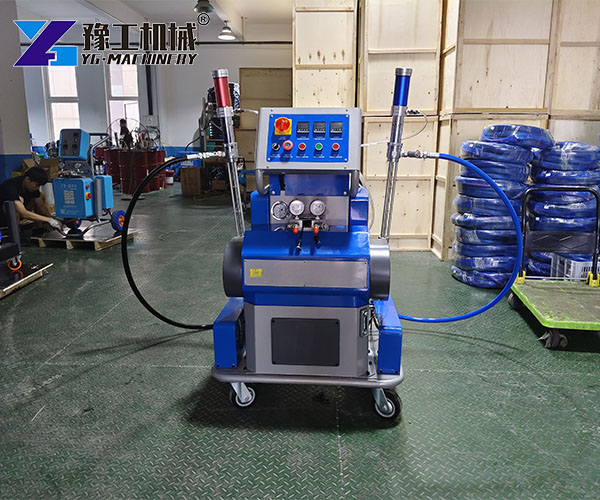
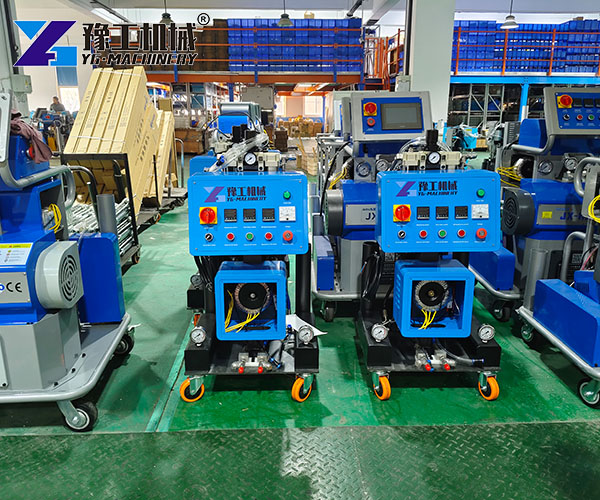
YG Machinery Polyurethane Foam Insulation Equipment
YG Machinery has more than 20 years of machinery manufacturing experience and supplies equipment to international markets. Its product range includes spraying equipment for construction and insulation applications.
The company supplies a Polyurea Coating Machine, Polyurethane Spray Machine, Mortar Spraying Machine, and GRC Spray Machine for different project requirements. Suitable configurations should be confirmed according to the intended material and working conditions.
To request a quotation, provide your application, material type, approximate work area, power supply, and delivery destination. This information helps the YG Machinery team review your requirements and discuss suitable equipment options.【WhatsApp/WeChat/Phone/Skype】+86 13937183602