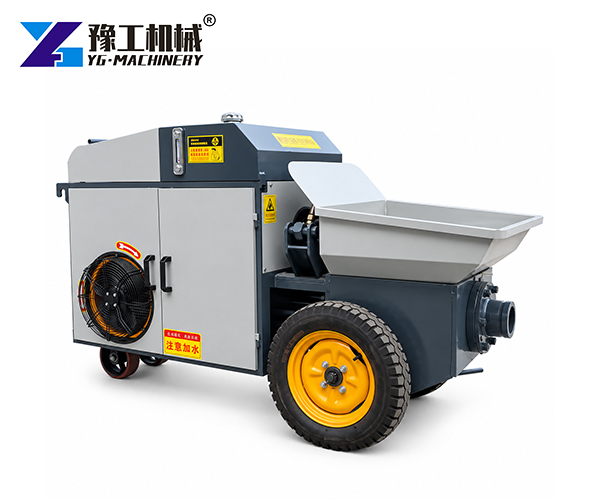
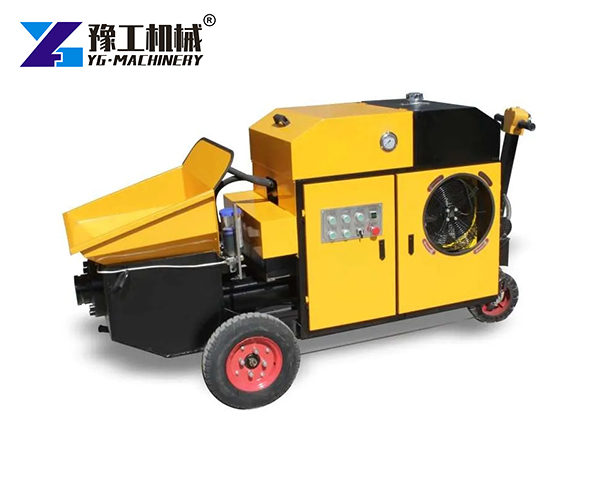
A small concrete pump transfers concrete through a delivery pipeline to the required pouring point. It is suitable for construction projects that need controlled concrete placement in different working areas. YG Machinery offers equipment for various concrete delivery needs. Before choosing a machine, consider your construction tasks, site conditions, and material requirements.
Small Concrete Pump Specifications
| Spec/Model | YG-10 | YG-20 |
| Work efficiency | 6m³/h | 12m³/h |
| Motor power | 15kw | 22KW |
| Working pressure | 15MPa/10MPa | 18MPa/12MPa |
| Aggregate size | 0.5-1.5cm | 0.5-2cm |
| Vertical/Horizontal conveying distance | 20m/50m | 40m/80m |
| Diameter of conveying pipe | 80mm | 80mm |
| Weight | 600KG | 1600kg |
| Dimensions | 1800*700*1100mm | 3400x1200x1600mm |
| Standard Configuration | 10m steel pipe, 10m hose | 40m steel pipe, 10m hose |
Confirm the required working conditions, pipeline arrangement, and included accessories with the supplier before ordering.
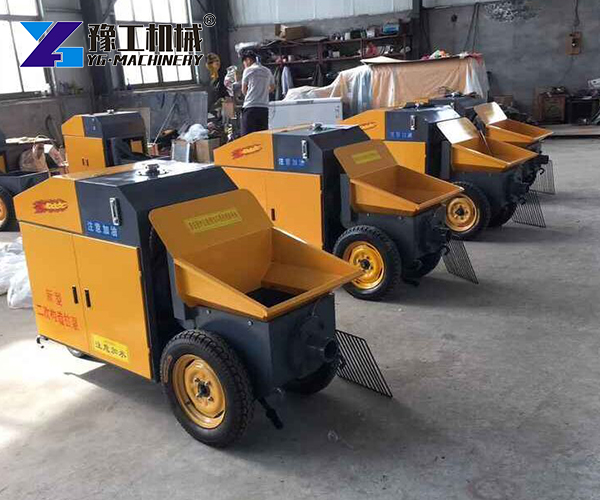
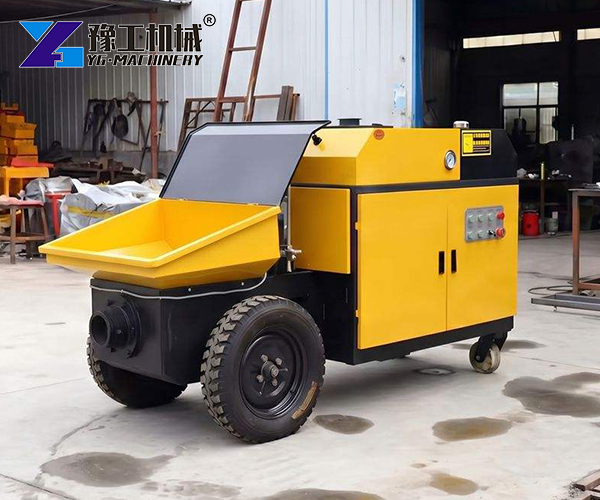
Mini Concrete Pump Applications
A small concrete pump can support a range of construction tasks where concrete must be delivered from the supply point to a specific part of the site.
Residential construction: Contractors can use the machine for foundation work, floor slabs, and other concrete placement tasks during house construction.
Building renovation: It can support concrete delivery in existing buildings where access for larger equipment may be difficult.
Drainage construction: The equipment may be suitable for concrete work involving drainage channels, culverts, and related structures.
Retaining wall projects: Pumped concrete can be delivered into prepared forms during the construction of retaining walls and similar structures.
Rural construction: The machine can serve building projects away from major roads or central supply areas when site access and pipeline arrangements are suitable.
The concrete mix and construction method must match the equipment’s requirements. Confirm material compatibility before starting a project.
Compact Concrete Pump Benefits
The portable concrete pump can offer practical advantages on construction sites where equipment space and concrete delivery routes need careful planning.
Flexible placement: The machine can be positioned at a suitable point near the concrete supply area. A planned pipeline can then carry concrete toward the required pouring location.
Space-conscious operation: A compact design can be useful when the available working area is limited. Contractors should still allow enough space for operation, inspection, cleaning, and safe access.
Support for different projects: The equipment can be considered for residential building, renovation, and smaller infrastructure work. The final choice should depend on the actual task rather than the machine’s size alone.
Pipeline delivery: Concrete can travel through connected pipes and hoses instead of being carried manually to every pouring point. The pipeline must be arranged correctly for the material and working conditions.
These advantages depend on suitable equipment selection, proper installation, and correct operating procedures.

Mini Concrete Pump Working Process
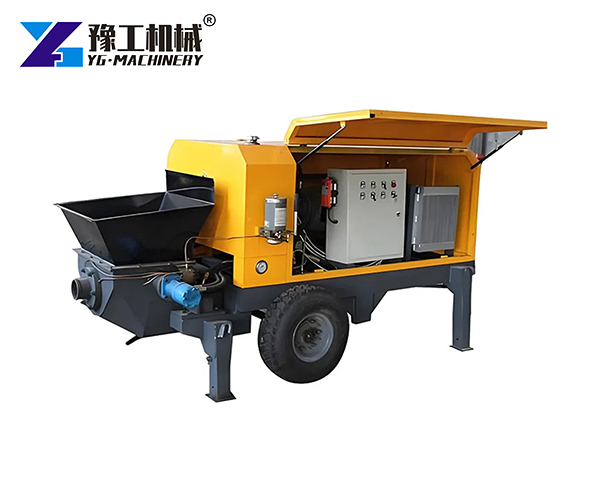
The pumping process moves prepared concrete from the receiving hopper through the delivery system to the required location.
Step 1: Prepare the concrete. Mix the material according to the construction requirements. Check that its consistency and aggregate composition are suitable for pumping.
Step 2: Load the hopper. Feed the prepared concrete into the receiving hopper. Keep unsuitable materials and foreign objects out of the system.
Step 3: Start the pumping system. Follow the manufacturer’s starting procedure. The pumping mechanism moves the concrete into the connected delivery pipeline.
Step 4: Deliver concrete to the pouring point. The material travels through the pipeline to the designated area. Operators should monitor material flow and respond promptly to abnormal conditions.
Step 5: Clean the system. After pumping, follow the specified cleaning procedure to remove remaining concrete and prepare the equipment for its next use.
Correct material preparation and pipeline setup are essential throughout the process. Operators should receive training before using the equipment on site.
Compact Concrete Pump Site Planning
Before purchasing equipment, review the project layout and the conditions at the intended work location. This helps determine whether the proposed configuration is suitable.
Check site access: Review the entrance, travel path, ground condition, and space available for positioning the machine. Consider how the equipment will be unloaded and moved to the working area.
Map the pipeline route: Identify the concrete supply point and the final pouring location. Plan the pipe layout and consider bends, elevation changes, and possible obstacles along the route.
Confirm the power supply: Check the power source available at the site and confirm compatibility with the selected equipment before installation.
Review the delivery package: When comparing small concrete pumps for sale, check which pipes, hoses, fittings, and accessories are included. Confirm whether additional items are needed for the planned application.
Calculate the full purchase cost: Ask for a quotation that identifies equipment costs, accessories, packaging, shipping, and other applicable charges. This gives you a clearer picture of the total procurement cost.
If you are comparing a small portable concrete pump with other options, provide the supplier with your site layout, expected workload, and delivery requirements. This information helps the team evaluate the most suitable configuration.
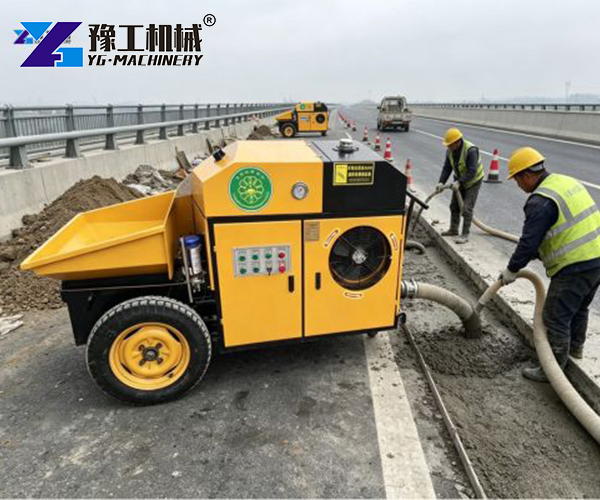
Routine Maintenance of Small Concrete Pump
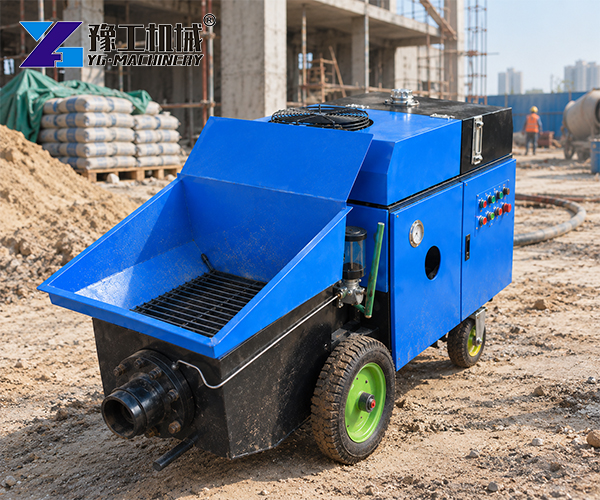
Regular maintenance helps keep the pumping system in working condition and reduces avoidable interruptions.
Inspect before operation. Check visible pipes, hoses, joints, electrical parts, and accessible components. Do not use the machine if damage or an unresolved safety issue is found.
Clean after each working cycle. Remove concrete residue according to the manufacturer’s instructions. Hardened material can obstruct the delivery system and make later cleaning more difficult.
Check for component wear. Inspect parts that experience regular contact with concrete and replace worn components when required. Follow the recommended inspection schedule.
Keep maintenance records. Record cleaning, inspections, repairs, and replacement parts. These records help operators track equipment condition over time.
Follow pressure safety rules. Stop the machine, disconnect the power, and release stored pressure as required before carrying out maintenance. Never open a pressurized pipe or hose.
About YG Machinery
YG Machinery has more than 20 years of industry experience and sells equipment to customers in over 200 countries and regions. The company provides factory-direct supply, configuration support, and overseas service for construction equipment customers.
For customers looking for a mini concrete pump for sale, the team can discuss project requirements, material details, and delivery arrangements before providing a quotation.YG Machinery also supplies related concrete equipment, including Concrete Pump Truck, Trailer Concrete Pump, and Concrete Mixer Pump,etc. These products serve different concrete delivery and placement requirements.
Contact YG Machinery with your application, destination country, and project details to discuss available equipment options and request a quotation.【WhatsApp/WeChat/Phone/Skype】+86 13937183602