
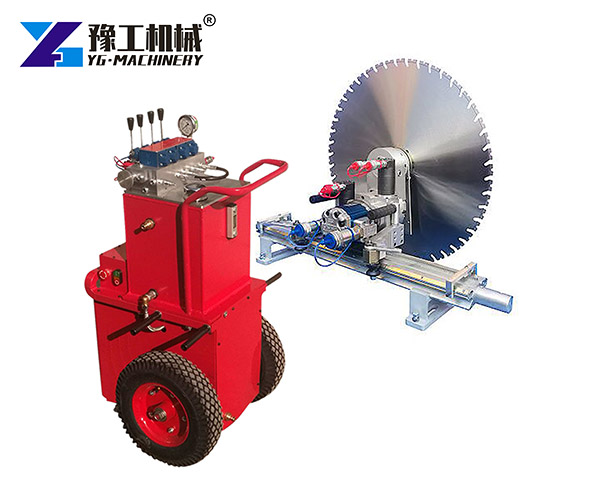
A Hydraulic Wall Saw is designed for cutting reinforced concrete walls and other solid structures. It is widely used in building renovation, structural modification, and controlled demolition projects. The rail mounted cutting system helps operators follow a planned cutting line when creating openings or removing selected concrete sections.
When choosing a wall saw, contractors should consider the required cutting depth, blade size, concrete conditions, and site requirements. Understanding these factors helps match the concrete wall saw cutting machine to the intended application and working environment.
Specifications of Hydraulic Wall Saw
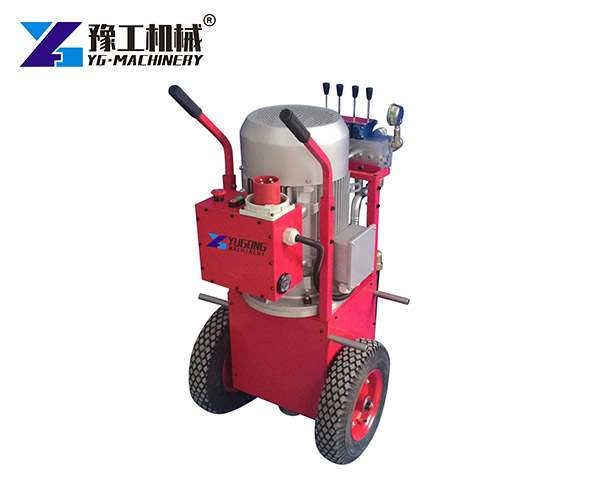
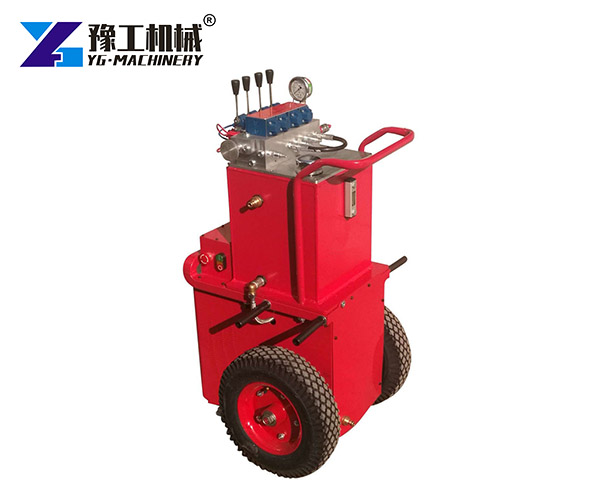
| Hydraulic Oil Pump | Model | YG 600 | YG 700 |
| Max. power | 25KW | 30KW | |
| Motor cooling method | Air cooling | water cooling | |
| Rated voltage | 380V 50HZ | 380V-420V 50HZ-60HZ | |
| Pressure stages | 3 | 3 | |
| Max. operating pressure | 200bar/20Mpa | 210bar/21Mpa | |
| Oil flow rate | 30-80L/min | 40-100L/min | |
| Dimensions | 600mm*650mm*1050mm | 500mm*520mm*1100mm | |
| Weight | 220kg | 140kg | |
| WallSaw | Saw blade diameter range | 800-1400mm | 800-1600mm |
| Cutting depth | 620mm | 730mm | |
| Max. working pressure | 180bar/18Mpa | 200bar/20Mpa | |
| Max. oil flow rate | 100l/min | 100l/min | |
| Gearing | Gear | Gear | |
| Rotation speed | 450/950/1300Rpm | 450/850/1200Rpm | |
| Dimension | 400mm*420mm*400mm | 400mm*420mm*400mm | |
| Weight | 38kg | 39kg |
Applications of Concrete Wall Saw
A Concrete Wall Saw is suitable for projects that require planned cuts through concrete structures. Common applications include:
• Door and window openings: Cut openings in existing walls for new access points or windows.
• Building renovation: Remove selected concrete sections when changing the layout of a building.
• Utility installation: Create openings for ventilation ducts, pipes, and other building services.
• Industrial construction: Prepare concrete structures for equipment installation and facility modifications.
• Controlled demolition: Separate concrete sections before lifting and removing them from the work area.
Before cutting, contractors should check the wall structure, reinforcement, embedded utilities, and nearby load bearing elements. The cutting plan must also account for the safe removal and handling of concrete sections.
Hydraulic Wall Saw Working Process
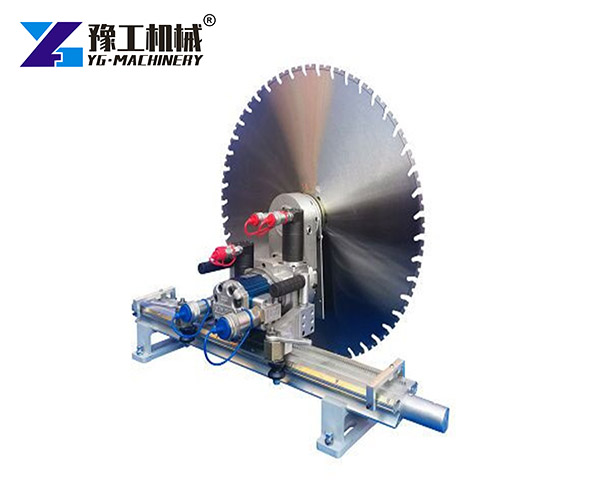
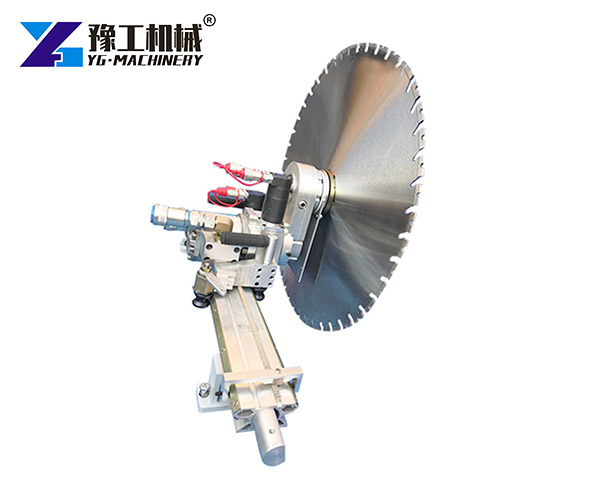
A wall saw uses a rotating diamond blade to cut concrete along a defined path. A guide rail supports the saw head and helps maintain the cutting direction.
The general working process includes four steps:
- Prepare the work area. Confirm the cutting dimensions and check for reinforcement, pipes, cables, and other hidden hazards.
- Install the guide rail. Secure the rail and align it with the planned cutting line.
- Check the equipment. Inspect the blade, hydraulic hoses, connections, and mounting system before operation.
- Complete the cut. Operate the machine according to the manufacturer’s instructions and secure the concrete section before removing it.
The actual procedure depends on the structure and site conditions. Operators should follow the equipment manual and use appropriate protective equipment throughout the process.

Hydraulic Concrete Wall Saw Selection
Choosing a suitable Hydraulic Concrete Wall Saw requires attention to the project rather than the model name alone.
• Required cutting depth: Check the wall thickness and the depth needed for each cut. The selected machine and blade must meet the project requirements.
• Concrete conditions: Concrete strength and reinforcement density affect blade selection and cutting progress.
• Power supply: Confirm that the available electrical supply matches the hydraulic power unit’s rated voltage and frequency.
• Installation conditions: Review the mounting surface, rail position, working space, and access for removing concrete sections.
• Operating requirements: Consider the expected workload, operator experience, maintenance arrangements, and availability of suitable replacement blades.
An electric wall saw machine may also suit projects that require an electric drive system. Compare the power source, cutting capacity, installation method, and site conditions before selecting equipment.
Hydraulic Wall Saw FAQ
Q: What materials can a hydraulic wall saw cut?
A: It is designed mainly for concrete and reinforced concrete. The appropriate blade depends on the material composition and reinforcement conditions.
Q: How do I choose the right diamond blade?
A: Consider the concrete type, reinforcement, required cutting depth, and blade compatibility. Follow the blade manufacturer’s recommendations.
Q: Can a wall saw be used for indoor renovation?
A: Yes, when the site has suitable installation conditions, adequate working space, and proper dust, water, noise, and safety controls.
Q: What information should I provide when requesting a quotation?
A: Provide the wall thickness, required cutting depth, concrete type, power supply, project location, and expected application. These details help the supplier assess the suitable configuration.
Q: What maintenance does a wall saw need?
A: Regularly inspect the blade, hydraulic hoses, connections, guide rail, and mounting system. Follow the manufacturer’s maintenance schedule and replace worn parts when necessary.

Contact YG Machinery for a Wall Saw Machine
YG Machinery supplies a range of construction equipment for concrete processing, building renovation, and surface preparation. Customers can review product specifications, compare available models, and obtain details before making a purchasing decision.
If you are looking for a concrete wall sawing machine, contact YG Machinery with your cutting requirements to discuss suitable configurations and request a quotation. The product range also includes the Trailer Concrete Pump for concrete delivery and the Floor Shot Blasting Machine for concrete surface preparation.Send us your project details to request product information and discuss your equipment needs.【WhatsApp/WeChat/Phone/Skype】+86 13937183602