Why Solar Post Driver Quotes Vary So Much
A Solar Post Driver is not a commodity product with a fixed price tag. Two machines can look similar on a spec sheet and still land at very different quote levels. The gap usually comes from configuration, not market noise.
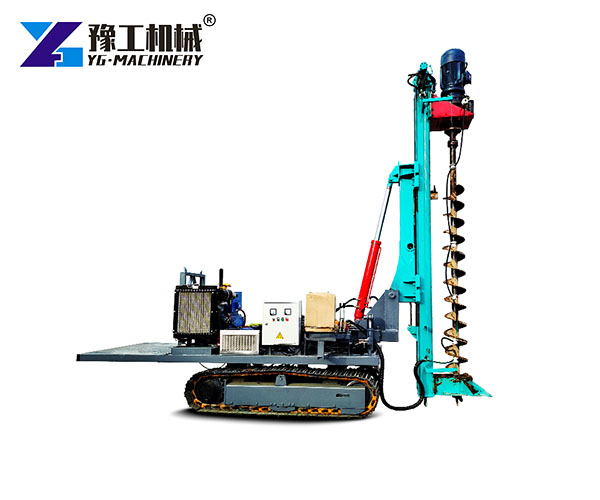
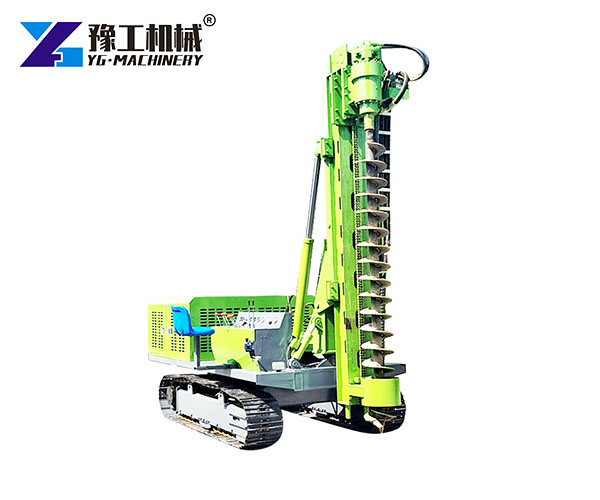
At the low end, you have a single-work-head hydraulic hammer. It suits projects with one pile type and predictable ground. Move up to a drilling-plus-piling configuration, and the quote rises. Add automation, slope-ready chassis, or heavy-duty structural reinforcement, and the number climbs again. The real question is not “what does one machine cost.” It is “which configuration features are pushing the quote up, and which ones does this project actually need.”
Seven Factors That Drive Solar Pile Driving Machine Cost
A Solar Pile Driving Machine price is shaped by seven hard factors. Each one has a clear logic.
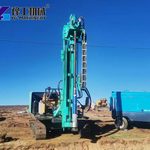
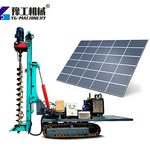
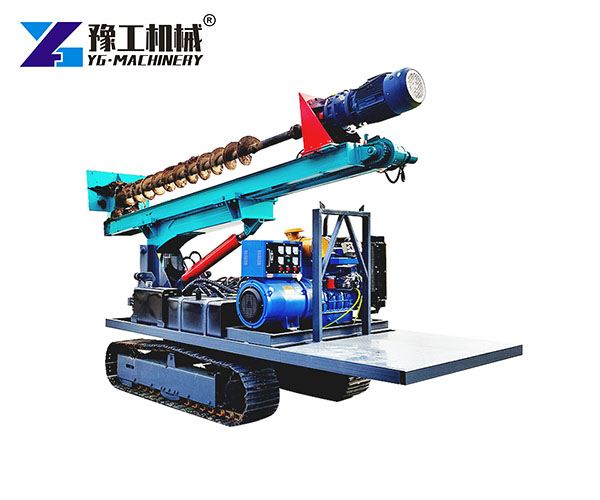
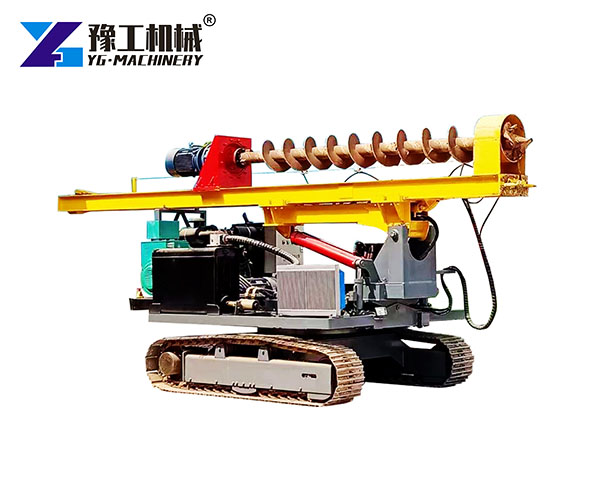
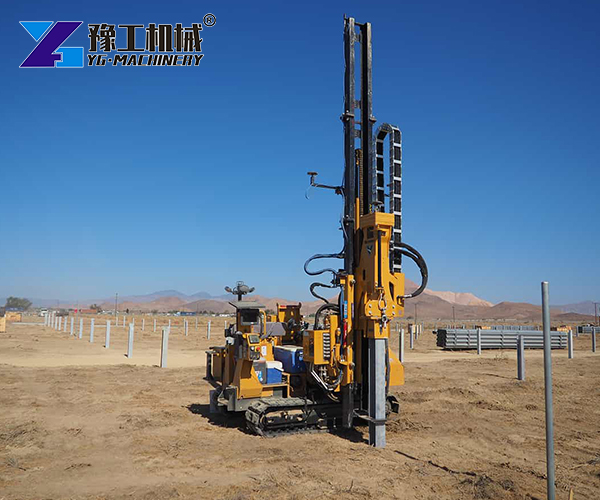
- Work-head configuration. A single hydraulic hammer is the lower entry point. Adding an independent rotary drilling head or DTH capability requires extra hydraulic circuits, a reducer, tooling, and control logic. That moves the quote up one tier. A Hydraulic photovoltaic pile driver with drilling capability is not automatically the better buy. If the soil report shows direct driving is possible across the site, the drilling premium may never pay back. If the ground is mixed, the drilling head internalizes a cost you would otherwise pay to bring in another machine.
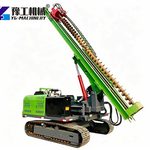
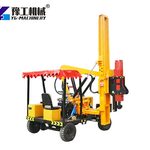
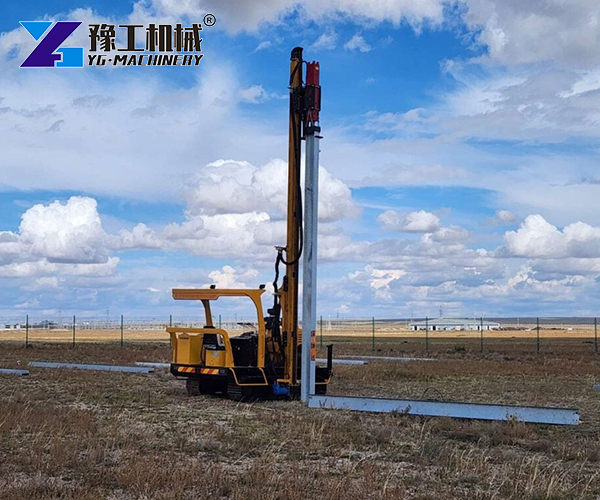
- Chassis type. Tracked, wheeled, skid-mounted, or excavator-mounted. A Crawler Solar Pile Driver typically carries a higher purchase premium than an excavator attachment. But the attachment route can add ongoing labor and support equipment costs on farmland or scattered plots. The trade-off is upfront premium versus ongoing operating cost.
- Engine power and hydraulic matching. Power numbers mean little on their own. The same engine rating on a light single-head machine and a heavy dual-head machine tells a different story. Ask what work head the power drives, what the operating weight will be, and what grade the machine must climb.
- Automation options. GPS positioning, auto-plumb, and remote travel add sensors, actuators, and control cost. This is one of the most elastic parts of the quote. Whether it pays off depends on pile count and repetition. Thousands of piles on a utility-scale site can absorb the premium. Small or irregular sites may not. Never assume GPS is standard. Ask whether it is pre-installed or retrofitted.
- Pile type, size, and depth. H-pile, C-pile, helical, or round tube. Cross-section, length, design embedment, and rock conditions all set the hydraulic and structural requirements. This is the most overlooked source of quote variation. Prepare five inputs before asking for a price: pile type, cross-section, length, design depth, and soil or rock conditions.
- Terrain adaptation. Slope work may need a wider mast adjustment range, hydraulic leveling legs, or a lower center of gravity. Flat sites should not pay for this. But skipping it on a slope shifts the cost to lost productivity, plumbness rework, and safety risk.
- Batch size and configuration consistency. Larger orders usually move the unit price direction down. But the discount only applies when configurations are identical. If two machines need different work heads or chassis setups, ask for separate quotes.
Hidden Costs Beyond the Sticker Price
Purchase price is only part of total cost. Two solar post driver machines at a similar sticker can differ widely over their service life.
- Transport and site moves. A tracked machine usually needs a flatbed. The working and transport dimensions differ, so every move involves folding and unfolding the mast. On multi-plot projects, these moves add up fast.
- Maintenance and wear parts. A lower-priced machine may mean more frequent service, faster parts replacement, and longer downtime. Ask for a wear-part list, unit prices, and spare-part lead times before you compare quotes.
- Downtime and schedule loss. A machine that stops working still consumes depreciation and labor. On a tight schedule, availability and after-sales response are real cost items. Confirm warranty terms, service response, and operator training in the quote.
- Refusal and ground surprises. A Solar PV Pile Driver that meets rock or a dense layer may refuse to drive. Pre-drilling or a method change follows. This is the hardest hidden variable to model. A Photovoltaic Pile Driving Machine with drilling capability reduces the risk of calling in a second machine, but only if that capability is specified from the start.
Before You Request a Solar Pile Driver for Sale Quote
A solar pile driver for sale inquiry is only as good as the information behind it. Before you contact any supplier, lock down five items: pile type and length, design depth and maximum hole diameter, rock hardness and pre-drill probability, maximum site slope and number of plots, and total pile count with daily target.
During the conversation, clarify four things. Which work-head configuration does the quote cover? What are the batch price steps, and do all units need identical configuration? What are the transport dimensions, folding time, and training terms? If GPS or auto-positioning is needed, is it pre-installed, retrofitted, or custom?
After the quote arrives, calculate one number: cost per installed pile. Include transport, site moves, wear parts, and the extra cost of pre-drilling where refusal is likely.
Match Project Conditions to Configuration
Use project conditions to pick the tier before comparing prices. Single pile type and controllable ground point to a single work head. Uncertain ground or likely pre-drilling points to a combined drilling and piling setup. Slopes and uneven terrain point to an adapted chassis. High pile counts with repetitive layout justify evaluating automation. Multiple scattered plots make transport convenience a priority.
Keep configuration consistent across the batch. Do not apply a standard-configuration price step to a custom unit.
Think Cost per Installed Pile
The useful formula is: cost per installed pile = (purchase price ÷ depreciation years + annual maintenance + site moves + downtime loss − residual value) ÷ annual installed piles.
Use the seven factors above to read any Solar Post Driver quote. Use the configuration table to decide which tier your project actually needs. For a starting point on specific models and parameters, you can review YG Machinery’s product pages.【WhatsApp/WeChat/Phone/Skype】+86 13937183602