Hydraulic Rock Splitter for Controlled Rock Breaking
Breaking hard rock and concrete can be difficult when traditional methods create too much noise, vibration, or dust. In urban construction, mining, and quarrying projects, contractors often need a more controlled way to remove solid materials. A Hydraulic Rock Splitter offers a practical solution through hydraulic pressure rather than repeated impact or explosives.
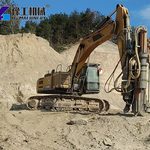
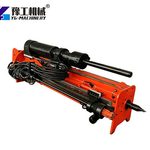
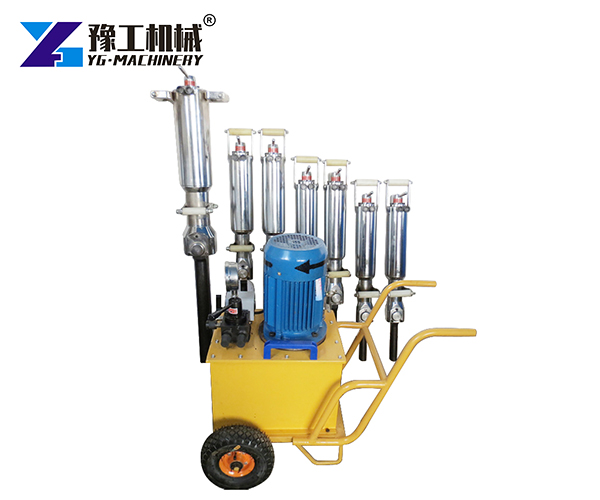
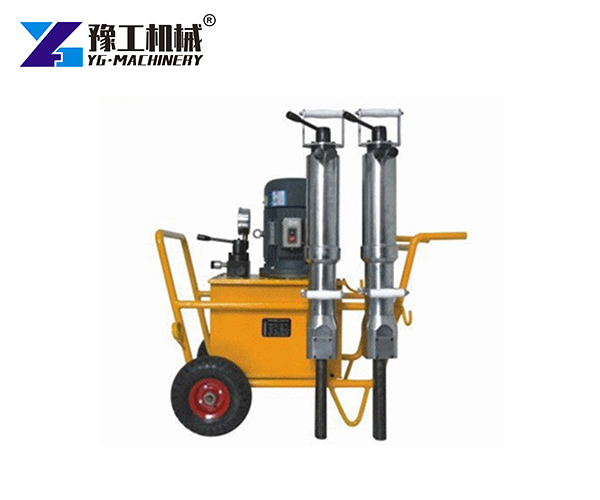
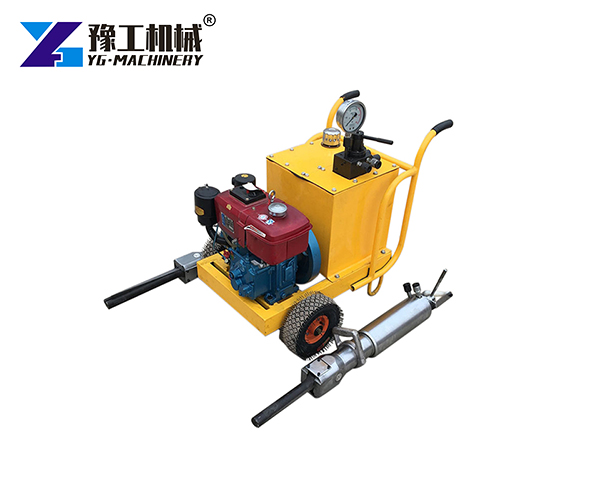
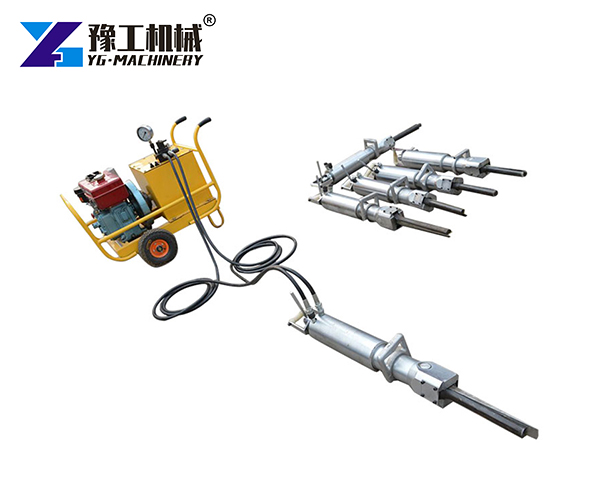
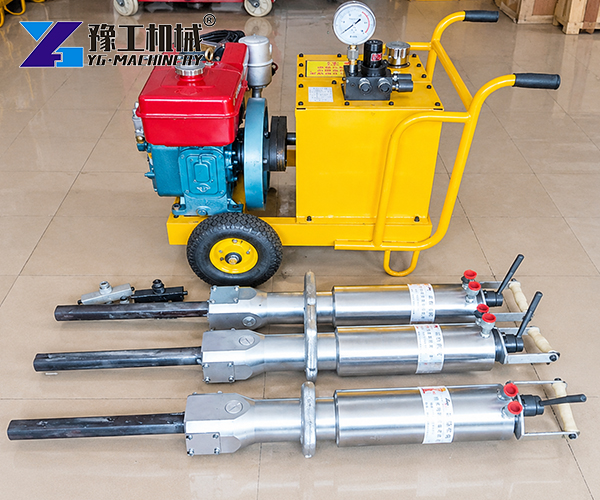
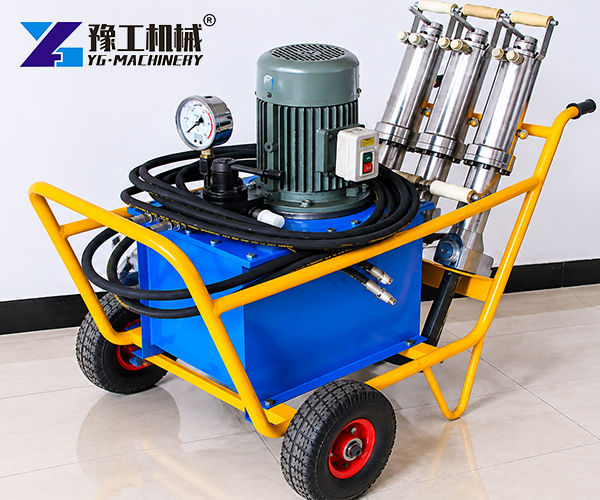
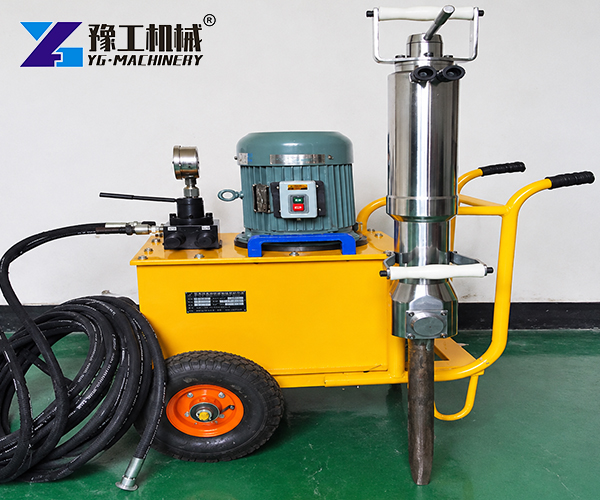
YG Machinery provides hydraulic splitting equipment for rock excavation, quarrying, foundation work, and concrete demolition. The machine uses a wedge system to create cracks inside solid materials. Operators first drill holes in the target area and then insert the splitting unit. This method helps control the breaking direction and reduces the impact on nearby structures.
With three models available, contractors can select equipment according to drilling depth, wedge length, and required splitting force.
Technical Specifications of the Hydraulic Rock Splitter
The following table shows the main specifications of the YG-250, YG-350, and YG-450 models.
| Parameter | YG-250 | YG-350 | YG-450 |
| Wedge Length | 250 mm | 350 mm | 450 mm |
| Piston Stroke | 90/220 mm | 90/220 mm | 90/220 mm |
| Drilling Depth | >500 mm | >700 mm | >900 mm |
| Punching Diameter | 42 mm | 46 mm | 46 mm |
| Crack Width | 10–20 mm | 10–20 mm | 10–20 mm |
| Cleavage Time | 10–15 | 10–15 | 10–15 |
| Splitting Force | 500 t | 800 t | 800 t |
| Weight | 240 kg | 250 kg | 260 kg |
Note: Confirm the cleavage time unit and actual operating conditions with YG Machinery before ordering.
The three models offer different wedge lengths and drilling depth requirements. Buyers should check the rock structure and drilling conditions before selecting a model. The listed splitting force also helps contractors compare equipment capacity for different projects.
How the Rock Splitting Machine Works
Unlike impact breakers, a hydraulic splitting unit applies force inside the material. This process allows operators to create cracks without repeatedly striking the outer surface.
The working process includes four main steps:
- Drill holes: Use a suitable rock drill to make holes at planned positions. Hole diameter and depth must match the selected splitting model.
- Insert the wedge: Place the splitting head into the prepared hole. Make sure the wedge assembly sits in the correct position.
- Apply hydraulic pressure: The hydraulic power unit drives the piston. The center wedge moves forward and pushes the two side wedges outward.
- Separate the material: The expanding wedges create internal pressure. Cracks develop along the material, allowing workers to remove the broken sections.
This Rock Splitting Machine uses a controlled mechanical process. Its results depend on rock hardness, hole spacing, drilling quality, and operator experience.
Advantages of Hydraulic Rock Splitter
A hydraulic splitting system offers several practical benefits for contractors working in restricted or demanding environments.
- Low vibration: The machine creates splitting force inside drilled holes instead of using repeated surface impacts. This helps reduce vibration around nearby structures.
- Controlled breaking: Operators can plan hole positions and splitting directions according to the project layout. This supports more accurate rock removal.
- No explosives required: The equipment provides a mechanical alternative to blasting in suitable applications. Contractors can avoid explosive materials and related handling procedures.
- Flexible operation: Different wedge lengths support different drilling depths and material conditions. Buyers can select a suitable model for their work.
- Practical maintenance: Regular cleaning and inspection help keep the hydraulic system and wedge assembly in good condition.
These features make the machine useful for projects where controlled rock removal matters more than high-impact breaking.
Where Can a Portable Rock Splitter Be Used?
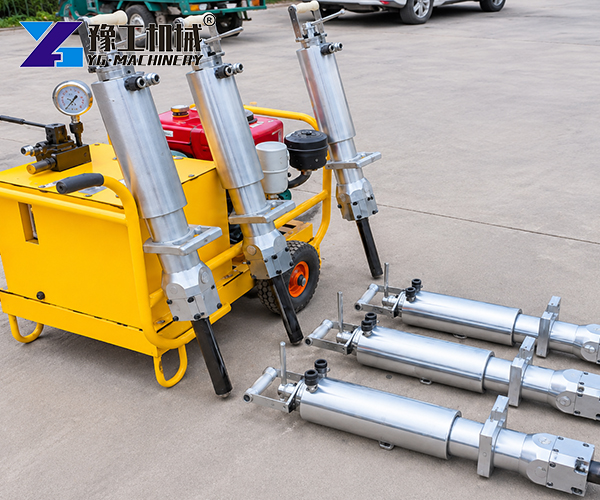
A Portable Rock Splitter is suitable for various construction and mining tasks. Its main applications include:
Quarrying and Mining
Workers can split large rock blocks into smaller sections for further handling or processing. The equipment is useful when contractors need controlled rock removal.
Tunnel and Underground Construction
Tunnel projects often involve hard rock and limited working space. Hydraulic splitting helps remove selected rock sections while reducing vibration near existing structures.
Concrete Demolition
Contractors can use the equipment to split concrete foundations, retaining structures, and other thick concrete sections. For reinforced concrete, workers may need additional tools to cut exposed steel bars.
Road and Foundation Projects
The machine can help remove large stones and hard ground during road construction, foundation excavation, and other infrastructure work.
Rock Splitter Machine for Sale: How to Choose the Right Model
Choosing the right model requires more than comparing splitting force. Buyers should consider the actual working conditions and drilling requirements.
- YG-250: Its 250 mm wedge length and drilling depth above 500 mm make it an option for projects with relatively shallow drilling requirements.
- YG-350: With a 350 mm wedge and drilling depth above 700 mm, this model suits projects that require greater penetration depth.
- YG-450: Its 450 mm wedge and drilling depth above 900 mm make it suitable for deeper drilling applications.
Before purchasing a Rock Splitter Machine, consider these factors:
- Rock type and hardness.
- Required drilling diameter and depth.
- Expected daily workload.
- Available drilling equipment.
- Hydraulic power unit compatibility.
- Transportation and maintenance requirements.
The hydraulic rock splitter price may vary according to model selection, hydraulic power station configuration, accessories, and shipping arrangements. Contact the supplier with your project details to receive an accurate quotation.
Frequently Asked Questions
Q1: Can a hydraulic splitter break reinforced concrete?
Yes. It can crack the concrete section, but workers may need separate cutting equipment to handle exposed steel reinforcement.
Q2: Does the machine require pre-drilled holes?
Yes. Operators must prepare holes that match the selected wedge diameter and required depth before starting the splitting process.
Q3: Can one hydraulic power station operate multiple splitting units?
Some configurations support multiple splitting units. The actual number depends on hydraulic flow, pressure, and power station capacity. Confirm compatibility before connecting additional units.
Q4: What maintenance does the equipment need?
Check hydraulic hoses, connectors, oil levels, and wedge surfaces regularly. Clean the equipment after each shift and replace worn seals or damaged parts when necessary.
Get a Hydraulic Rock Splitter from YG Machinery
YG Machinery is a construction machinery manufacturer based in Zhengzhou, China. The company supplies equipment for mining, drilling, demolition, material handling, and infrastructure projects. Its product range includes the Hydraulic Rock Splitter, drilling machines, concrete machinery, and other construction equipment.
For related rock excavation and demolition tasks, buyers can also explore:
Drilling Splitting Integrated Machine – combines drilling and splitting operations in one machine.
Hydraulic Concrete Splitter – designed for controlled concrete demolition.
Wall Saw Machine – suitable for cutting concrete walls and structural sections.
Rope Saw Machine – uses diamond wire technology for large concrete and stone cutting projects.
Looking for a reliable Rock Splitting Equipment solution? Contact YG Machinery and share your material type, drilling requirements, and project conditions. Our team can help you compare the YG-250, YG-350, and YG-450 models and select a suitable configuration.
Send your inquiry today to get product details, technical support, and a competitive quotation.