Dust, sand, bird droppings, and other dirt can build up on solar panels over time. These deposits block sunlight and may reduce power generation. Regular cleaning helps keep photovoltaic panels clean and supports stable energy output.
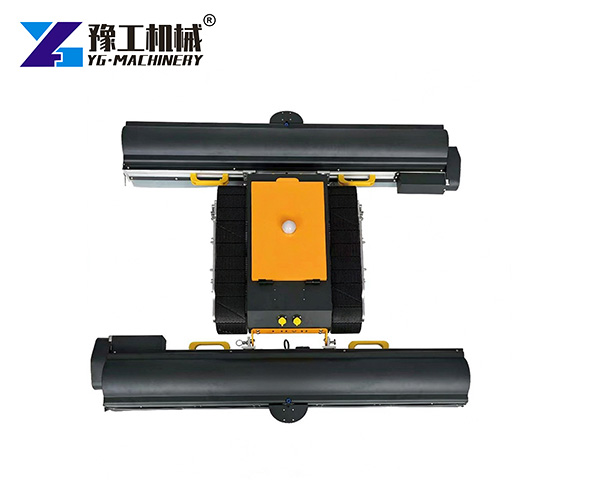
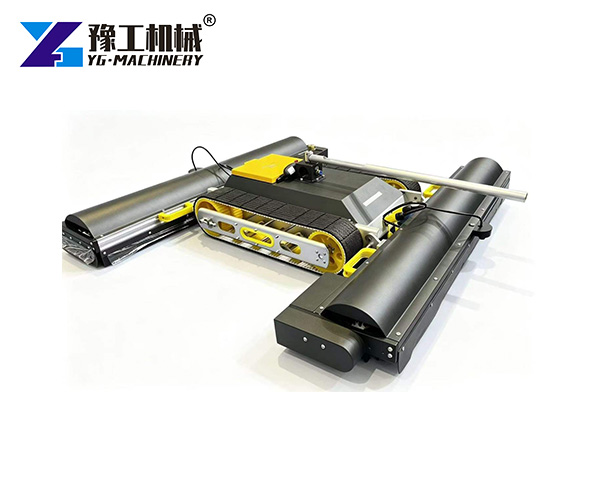
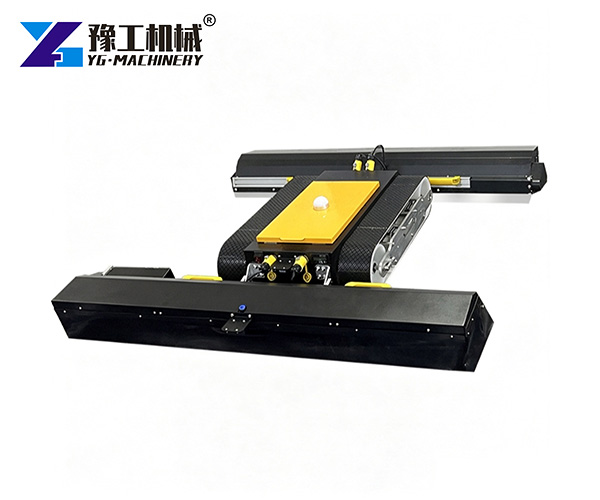
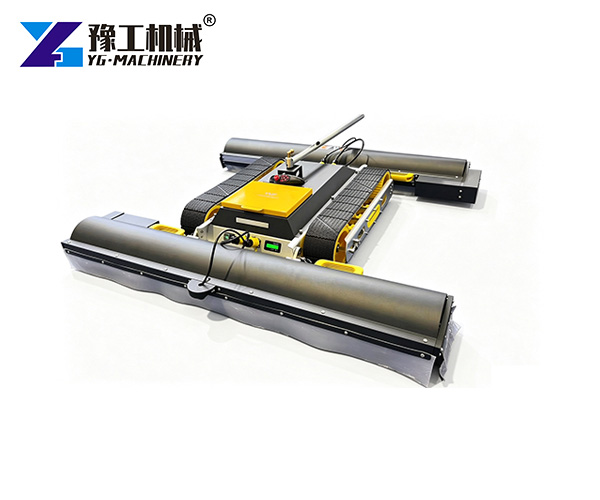
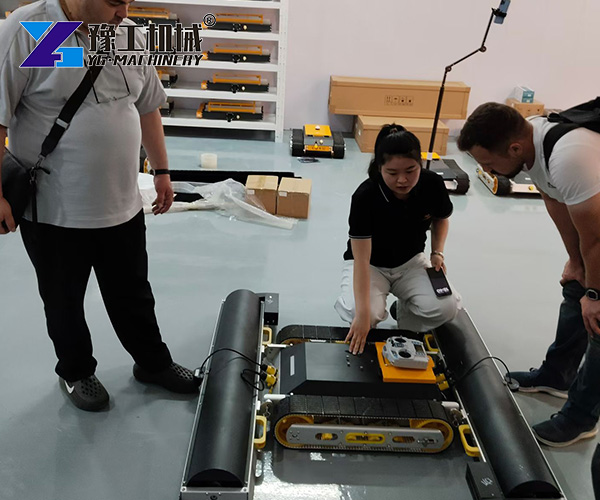
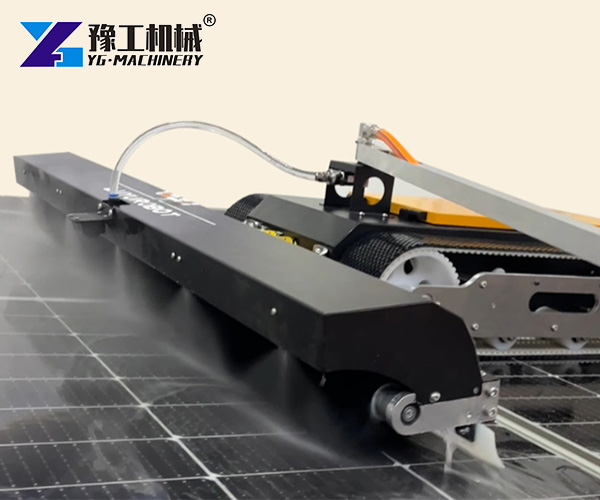
The Solar Panel Cleaning Robot from YG Machinery provides a practical solution for routine panel maintenance. It uses rotating brushes to remove dirt from panel surfaces and a crawler system to move across the panels. Operators can control its movement remotely and choose dry or wet cleaning according to site conditions.
This machine is designed for solar farms and other photovoltaic projects that need regular cleaning. Its battery-powered design and remote control system help reduce manual work and make daily maintenance easier.
Solar PV Cleaning Robot Technical Specifications
The machine offers different brush widths and battery capacity options. Buyers can compare the main specifications below to select a suitable configuration.
| Parameter | Specification | Unit |
| Robot Body Dimensions | 650 × 550 × 200 | mm |
| Brush Specification | 1200 / 1300 | mm |
| Battery Capacity | 29Ah / 58Ah × 2 | Ah |
| Operating Time | 10–12 | h |
| Travel Speed | 48 | m/min |
| System Voltage | 24 | V |
| Single Cleaning Width | 1200 / 1300 | mm |
| Brush Rotation Speed | 300 | r/min |
| Working Temperature | -10 to 50 | °C |
| Battery Life | 1,000 | Deep discharge cycles |
| Brush Motor Power | 200 | W |
| Travel Motor Power | 150 × 2 | W |
| Maximum Applicable Panel Angle | 16 | Degrees |
| Cleaning Efficiency | 2,200–2,600 | m²/h |
| Horizontal Gap-Crossing Capacity | 400 | mm |
| Remote Control Distance | 200 | m |
Note: These specifications are based on the supplied product data. Actual performance may vary with panel layout, dirt conditions, and operating methods. Please confirm the final configuration with YG Machinery before ordering.
How the Photovoltaic Panel Cleaning Robot Works
The solar panel cleaning robot combines a crawler travel system, rotating brushes, a battery unit, and a remote control system. These parts work together to complete the cleaning process.
Its basic working process includes:
- Position the machine: Place the robot on the photovoltaic panel according to the site layout and operating instructions.
- Start the brush system: The rotating brushes contact the panel surface and remove dust and other deposits.
- Control its movement: The operator uses the remote control to move the machine forward, backward, or turn.
- Choose a cleaning method: Use dry cleaning for loose dust or wet cleaning when water is available and the dirt needs more attention.
- Check the cleaning result: Inspect the cleaned area before moving the machine to the next section.
The crawler system supports movement across the panel surface. The infrared anti-fall system provides additional protection by detecting potential falling risks. Operators should still monitor the machine and follow the safety instructions during operation.
Advantages of a Solar Panel Cleaning Robot
Different solar farms have different cleaning conditions. This machine offers several practical features for routine photovoltaic maintenance.
Dry and wet cleaning options
The equipment supports both dry and wet cleaning. Its rotating brushes can remove dust, sand, bird droppings, and similar surface dirt. Dry cleaning is useful when water is limited. Wet cleaning can help deal with more stubborn deposits when a suitable water supply is available.
Remote control and flexible movement
The remote control supports forward and reverse movement, as well as 360-degree turning. Its stated control distance is up to 200 meters under suitable conditions. This allows operators to manage the cleaning process without walking beside the machine throughout the entire operation.
Battery-powered operation
The equipment uses a rechargeable battery system, with listed capacity options of 29Ah and 58Ah × 2. Its stated operating time is 10–12 hours. This supports extended cleaning tasks without a direct power connection during normal operation.
Brush options for different panel widths
The machine offers 1,200 mm and 1,300 mm brush specifications. Buyers can select a suitable option according to the panel dimensions and cleaning layout. A suitable brush width helps reduce repeated passes.
Crawler travel system
The crawler design supports movement on photovoltaic panel surfaces. Combined with the remote control and anti-fall assistance system, it helps operators manage cleaning work across different panel sections.
Application of Solar PV Cleaning Robot
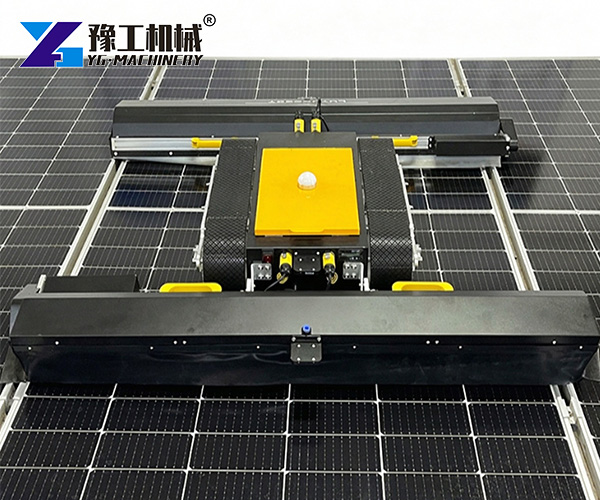
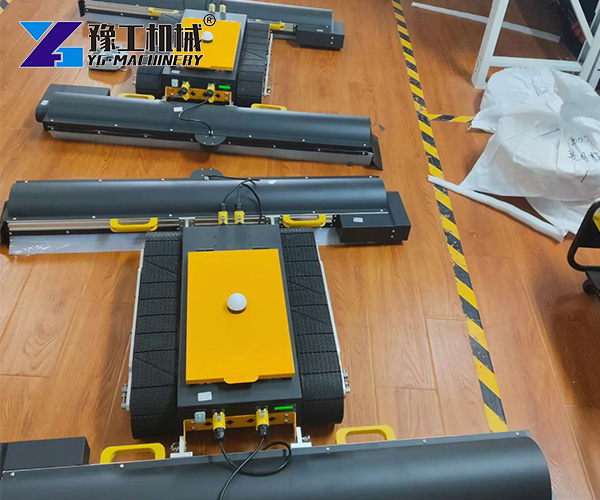
This equipment is mainly designed for photovoltaic panel maintenance. It can serve different types of solar power projects.
- Large solar farms: Remove dust and dirt from extensive panel arrays as part of regular maintenance.
- Ground-mounted solar power plants: Support routine cleaning across outdoor photovoltaic installations.
- Commercial solar projects: Help maintenance teams manage cleaning work on larger panel systems.
- Industrial photovoltaic facilities: Provide a mechanical cleaning option for panels installed at industrial sites.
A Solar Farm Cleaning Robot can be especially useful in areas where dust and sand collect quickly. However, buyers should check the panel arrangement, surface condition, slope, and available working space before use.
How to Choose a Photovoltaic Panel Cleaning Robot
Choosing suitable Solar Panel Cleaning Equipment involves more than comparing price and brush width. Buyers should check whether the machine matches their panel layout and working conditions.
Panel dimensions and cleaning width: Confirm whether the 1,200 mm or 1,300 mm brush option suits your panel size. This helps the machine cover the working area efficiently.
Panel angle and layout: The listed maximum applicable panel angle is 16 degrees. Check the actual installation angle before ordering. Also consider the gaps between panel sections. The stated horizontal gap-crossing capacity is 400 mm.
Cleaning conditions: Consider the type of dirt on the panels. Dry cleaning may suit loose dust, while wet cleaning may work better for stubborn deposits. Confirm the available water supply and optional cleaning accessories when wet cleaning is required.
Battery and working time: The stated operating time is 10–12 hours. Choose the battery configuration according to the daily cleaning schedule and project size.
Safety and control: Ask about the infrared anti-fall system, remote control functions, and operating instructions. Operators should understand the machine’s movement limits before starting work.
A Crawler-Type Solar Panel Cleaning Robot is worth considering when the project requires a machine that can travel directly across panel surfaces. For projects that need flexible operation with less manual handling, an Automatic Solar Panel Cleaning Robot can also be a practical option.
Frequently Asked Questions
Q1: Can the crawler-type solar panel cleaning robot clean solar panels without water?
Yes. It supports dry cleaning for dust and other suitable surface dirt. Wet cleaning is also available when water and the required configuration are provided.
Q2: What is the cleaning efficiency of this machine?
The listed cleaning efficiency is 2,200–2,600 m²/h. Actual output depends on panel layout, dirt conditions, and operating methods.
Q3: What panel angle can the solar panel cleaning robot handle?
The supplied specifications list a maximum applicable panel angle of 16 degrees. Please confirm the actual site conditions before purchase.
Q4: How long can the solar farm cleaning robot operate on one charge?
The stated operating time is 10–12 hours. Actual battery performance may vary with working conditions and operating methods.
About YG Machinery
Henan Yugong Machinery Co., Ltd. (YG Machinery) is a machinery manufacturer based in Zhengzhou, China. We supply the Solar Panel Cleaning Robot for photovoltaic panel maintenance, as well as other equipment for solar and construction projects.
Our product range also includes the Solar Pile Driver, Photovoltaic Pile Driver, Horizontal Directional Drilling Machine, and Glass Handling Robot.
Contact YG Machinery to discuss your project requirements and request a competitive quotation for your Solar Panel Cleaning Robot.