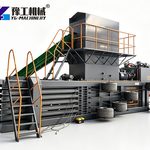
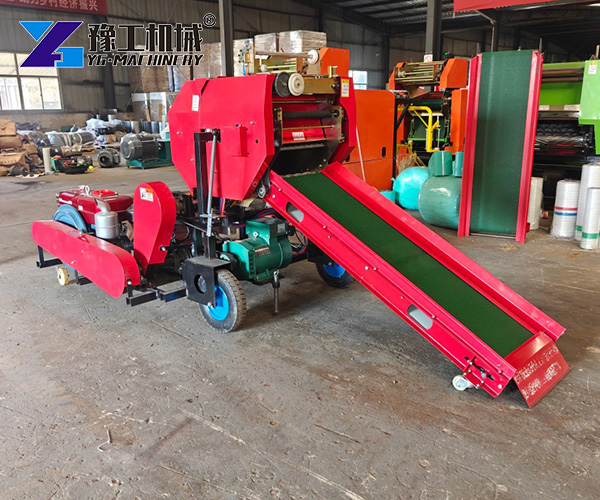
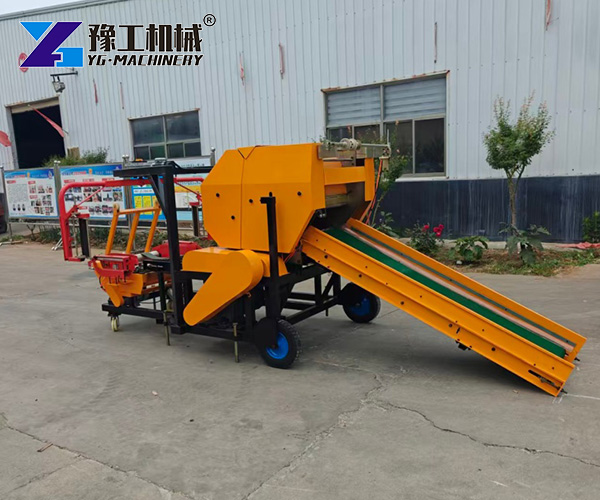
A Silage Baler compresses prepared forage into compact bales for easier handling, transportation, and storage. YG Machinery offers four models with different bale sizes, weights, and power requirements. Selected models also feature automatic baling and cutting functions to support daily forage processing.
YG Silage Baler Models and Technical Specifications
YG provides four silage baling machine models for different production requirements. The 9YG-55 and 9YG-60 produce 50–65 bales per hour, while the 9YG-90 handles larger bales weighing 300–430 kg.
| Technical Parameters | 9YG-55 | 9YG-60 | 9YG-70 | 9YG-90 |
| Bale Size | 550×520 mm | 600×520 mm | Φ700×700 mm | 90×90 cm |
| Bale Weight | 70–80 kg | 50–90 kg | 150–200 kg | 300–430 kg |
| Production Capacity | 50–65 bales/h | 50–65 bales/h | — | 55–60 bales/h |
| Rated Speed | 350 r/min | 350 r/min | 350 r/min | 950 r/min |
| Power | 5.5/0.55/1.1 kW | 7.5/0.55/1.1 kW | 11+0.75+0.37+3 kW | 39 kW |
| Wrapping Layers | 18 turns/2 layers; 26 turns/3 layers; 37 turns/4 layers | 18 turns/2 layers; 26 turns/3 layers; 37 turns/4 layers | — | — |
| Automatic Cutting | Yes | Yes | Yes | — |
| Automatic Baling | Yes | Yes | Yes | — |
| Machine Weight | 650 kg | 800 kg | — | ≥4200 kg |
| Overall Dimensions | 3500×1500×1600 mm | 4000×1400×1850 mm | 4500×1900×2000 mm | 8100×2400×3100 mm |
The 9YG-55 and 9YG-60 support three wrapping configurations: 18 turns for 2 layers, 26 turns for 3 layers, and 37 turns for 4 layers. Both models also feature automatic baling and cutting.
The 9YG-70 produces 150–200 kg bales, while the 9YG-90 is designed for heavier bales of 300–430 kg. These differences give buyers more flexibility when matching equipment to their farm operations.
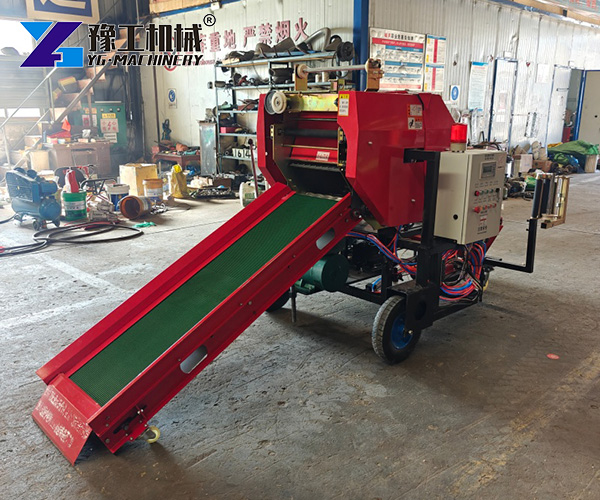
Main Components of a Silage Baling Machine
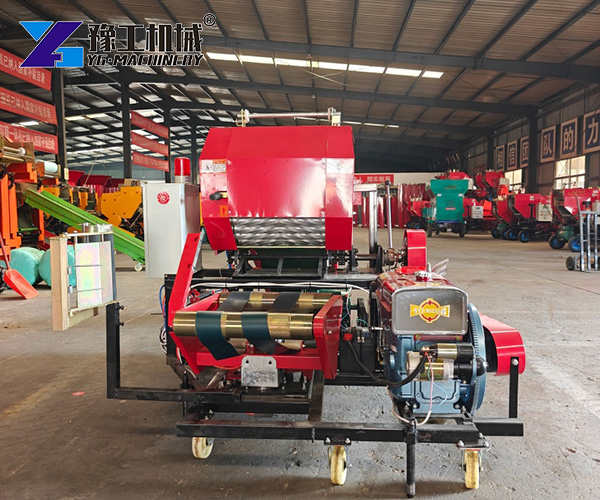
The silage baler for sale combines several functional systems to complete forage baling.
- Feeding System: Transfers prepared forage into the baling chamber.
- Baling Chamber: Compresses forage into the required bale dimensions.
- Hydraulic System: Supports the machine’s mechanical movements.
- Binding System: Secures formed bales to maintain their shape.
- Wrapping System: Applies silage film on models equipped with this function.
The specific configuration varies by model. Buyers should confirm the included components before ordering.
How a Silage Baler Wrapper Completes the Process
Baling and wrapping are two related stages in silage preparation. The general workflow includes:
- Forage Feeding: Prepared forage enters the machine.
- Bale Formation: The material is compressed into a defined shape.
- Bale Binding: The formed bale is secured.
- Film Wrapping: Silage film is applied according to the selected wrapping configuration.
- Bale Discharge: The finished bale is released for handling and storage.
A Silage Baling and Wrapping Machine combines these operations within its configured working system. However, wrapping functions differ between models. The 9YG-55 and 9YG-60 provide specified wrapping layer options.
Advantages of YG Silage Baler Machine
YG Machinery offers several configurations for different farm requirements.
- Multiple Bale Sizes: Choose from four models with different bale dimensions.
- Flexible Bale Weights: Available bale weights range from 50–90 kg to 300–430 kg.
- Automatic Functions: The 9YG-55, 9YG-60, and 9YG-70 feature automatic baling and cutting.
- Different Production Capacities: Selected models offer outputs of 50–65 or 55–60 bales per hour.
- Wrapping Options: The 9YG-55 and 9YG-60 support 2, 3, or 4 wrapping layers.
These options help buyers match equipment specifications to their forage processing requirements.
Applications of Silage Baling Equipment
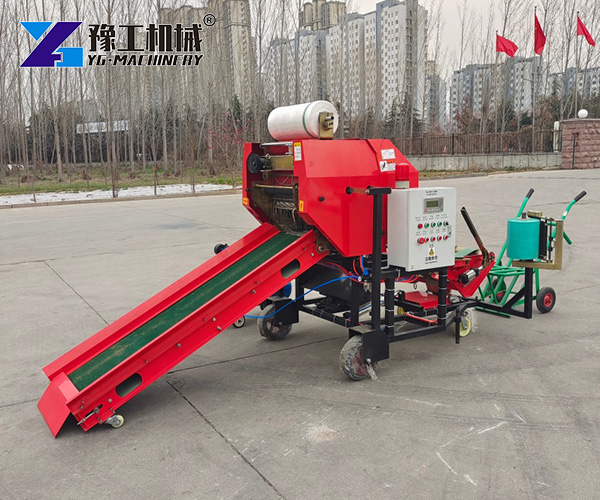
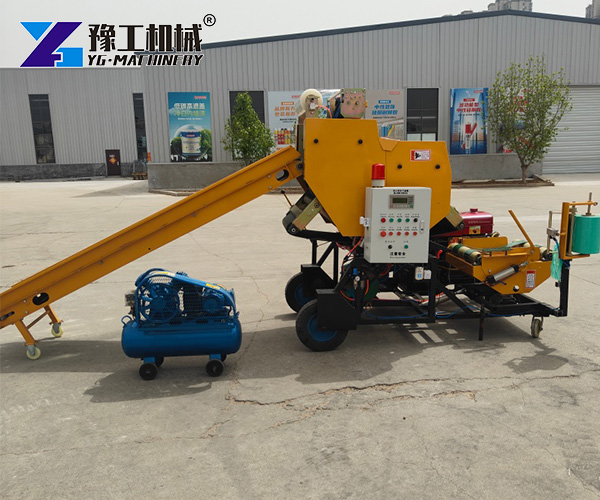
A Silage Round Baler is suitable for different agricultural operations that require compact forage bales.
- Dairy Farms: Preparing forage for livestock feeding and storage.
- Cattle Farms: Processing silage for seasonal feed supplies.
- Sheep and Goat Farms: Producing manageable forage bales.
- Forage Processing Facilities: Handling prepared forage in larger quantities.
- Agricultural Cooperatives: Providing baling services for multiple farms.
The appropriate model depends on bale weight, processing volume, and available working space.
Choosing the Right Silage Baler
Before purchasing equipment, consider the following factors:
Bale Size and Weight: Select dimensions and weight according to transportation, handling, and storage requirements.
Production Capacity: Compare hourly output with the amount of forage that needs processing.
Power Requirements: Check the rated power and confirm compatibility with your available power supply.
Wrapping Requirements: If wrapped bales are needed, check the model’s wrapping functions and available layer configurations.
Installation Space: Consider overall dimensions and the space required for feeding and bale discharge.
These factors help buyers evaluate a Silage Baler Machine and identify a suitable configuration.
FAQs About Silage Baler Wrapper
Q1: What materials can the machines process?
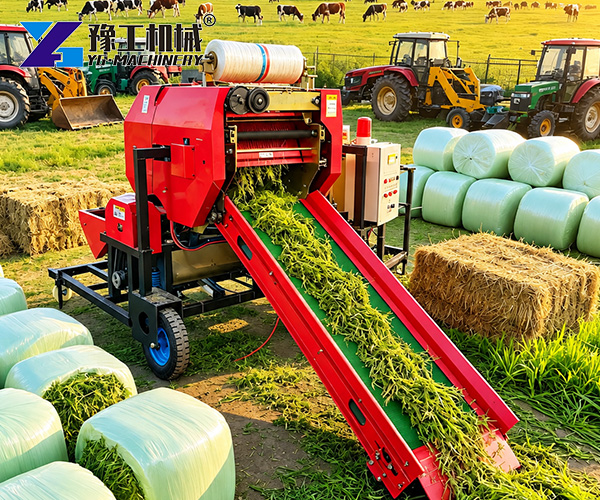
They are designed for silage forage. Confirm material suitability and preparation requirements with the manufacturer before purchasing.
Q2: What is the difference between baling and wrapping?
Baling compresses forage into a defined shape and secures the bale. Wrapping applies film around the formed bale to provide an additional protective layer.
Q3: What wrapping options are available?
The 9YG-55 and 9YG-60 offer three wrapping configurations: 18 turns for 2 layers, 26 turns for 3 layers, and 37 turns for 4 layers. Buyers can select a suitable option based on their forage storage requirements.
Q4: Which model is suitable for heavier bales?
The 9YG-90 produces bales weighing 300–430 kg. It is an option for operations requiring larger and heavier bales.
Contact YG Machinery for Silage Baler
Looking for a reliable Silage Baler for Sale? YG Machinery offers multiple forage baling models to meet different agricultural processing needs. Compare bale sizes, weights, production capacities, and machine configurations to find the right equipment for your operation.
For additional farm material handling needs, you can also explore our Skid Steer Loader for moving feed and materials, or browse our Telescopic Forklift options for lifting and transporting heavy loads.
Contact YG Machinery for detailed specifications, model recommendations, and a competitive quotation.