What Makes a Track Skid Steer Loader Different?
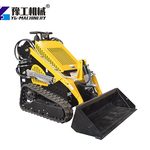
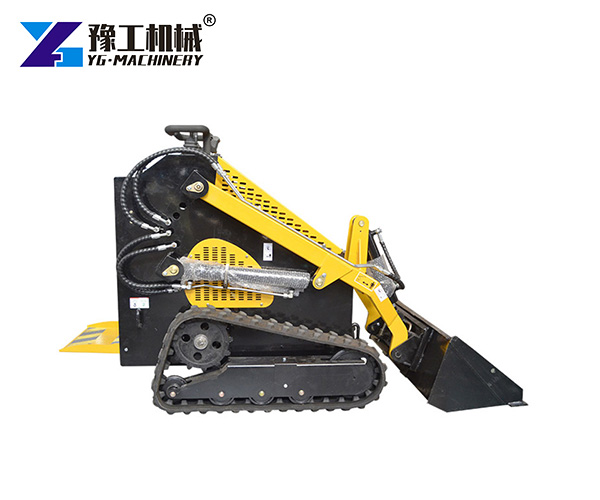
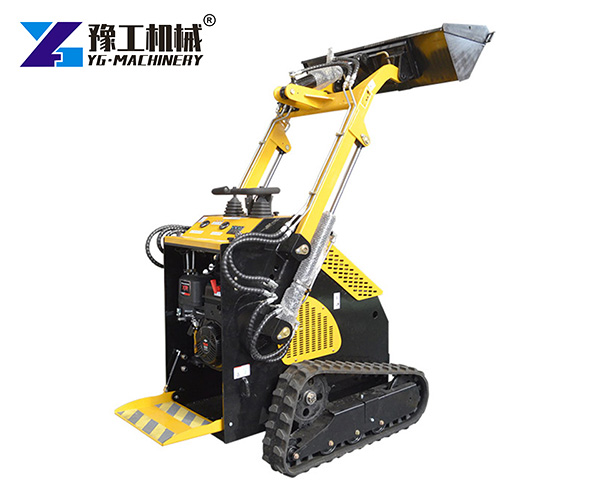
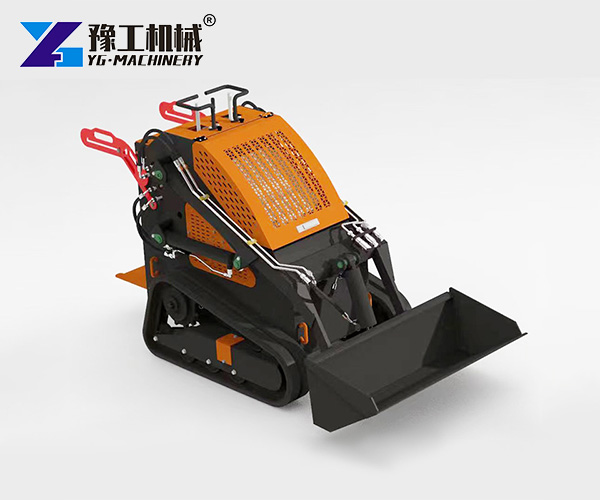
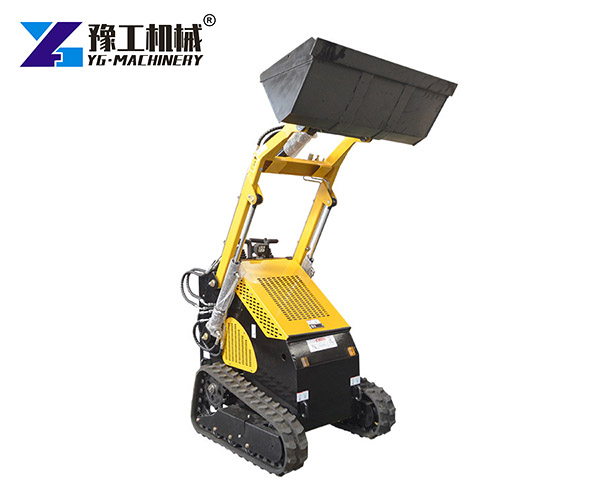
A track skid steer loader is designed for material handling, landscaping, and construction work on challenging surfaces. Unlike wheeled machines, it uses rubber tracks to distribute its weight over a larger contact area. This can improve traction on soft soil, grass, and uneven ground.
Its compact body and independent left and right drive systems also allow it to turn within a small space. This makes it useful for projects where larger equipment cannot move freely.
For contractors working in confined areas or on soft ground, a skid steer loader for sale with a tracked configuration can be a practical choice.
How to Choose the Right Track Skid Steer Loader?
Selecting the right machine requires more than checking engine power. Buyers should consider several factors before making a decision.
1. Rated Operating Load
Start with the weight of the materials you handle regularly. Soil, gravel, sand, and construction debris have different densities.
The rated operating load helps determine whether a machine can handle your daily tasks. Do not confuse it with maximum lifting force. These are different specifications.
For example, YG Machinery’s 450 tracked model has a rated operating load of 390 kg and a maximum lifting force of 450 kg.
2. Machine Dimensions
Measure the available working space before choosing a machine. Check its overall width, height, and turning radius.
A compact skid steer loader is useful for narrow entrances, small construction sites, and landscaping projects. For example, the YG 450 model has an overall width of 1,030 mm.
3. Engine and Hydraulic Performance
Engine power affects the machine’s available working power. Hydraulic performance determines whether it can operate the attachments required for your project.
Check the engine brand, rated power, hydraulic pressure, and attachment requirements before purchasing.
4. Lifting and Dumping Capacity
Consider where materials need to be placed. Check maximum dumping height, dumping distance, and bucket capacity.
If you regularly load trucks or containers, these measurements are particularly important.
Track vs. Wheeled Skid Steer Loader: Which Should You Choose?
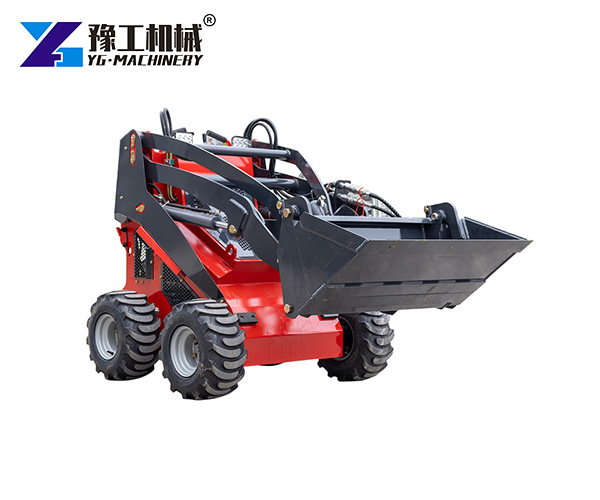
The main difference lies in the undercarriage. Both types have advantages, but their suitability depends on the working surface.
| Comparison | Tracked Model | Wheeled Model |
| Undercarriage | Rubber tracks | Tires |
| Soft Ground | Better traction and flotation | More likely to slip |
| Firm Surfaces | Suitable, but track wear matters | Generally suitable |
| Ground Pressure | Generally lower | Generally higher |
| Maintenance | Track tension and wear | Tire pressure and wear |
| Typical Uses | Landscaping and uneven terrain | Warehouses and paved sites |
When to Choose Tracks
A crawler skid steer loader is worth considering when your work involves:
- Soft or loose soil.
- Muddy construction areas.
- Uneven landscaping sites.
- Grass-covered working areas.
- Projects where reduced ground pressure is important.
However, tracks can wear faster on abrasive concrete and asphalt. Consider maintenance costs if the machine will frequently operate on hard surfaces.
When to Choose Wheels
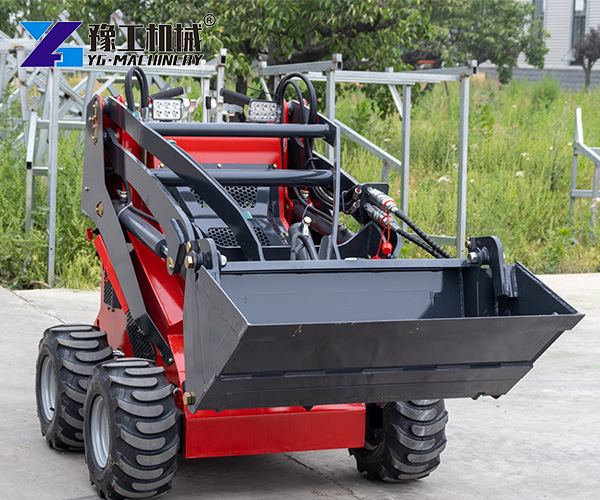
A wheeled skid steer loader is generally suitable for:
- Concrete floors and paved yards.
- Warehouse material handling.
- Construction sites with firm ground.
- Projects requiring frequent travel on hard surfaces.
If your work involves different ground conditions, compare the time spent on each surface before choosing a configuration.
Which Attachments Can Expand a Crawler Skid Steer Loader’s Capabilities?
Attachments allow one machine to handle different tasks. Before purchasing them, check the mounting system, hydraulic flow, and pressure requirements.
Common options include:
- Bucket: Moves soil, sand, gravel, and other loose materials.
- Pallet Forks: Handles pallets, packaged goods, and construction materials.
- Auger: Drills holes for fence posts, planting, and landscaping.
- Grapple Bucket: Picks up branches, logs, and irregular debris.
- Brush Cutter: Clears grass, weeds, and light vegetation.
The right attachment depends on your working conditions. A bucket is suitable for general material handling, while forks are more useful for palletized loads.
What Jobs Can This Track Skid Steer Loader Handle?
Track models are used across several industries. Their compact dimensions and track systems support different working tasks.
Construction and Material Handling
They can move soil, gravel, sand, and construction debris. They are also useful for preparing work areas and transporting materials around confined sites.
Landscaping and Ground Preparation
Landscaping contractors use them to move soil, spread mulch, clear vegetation, and prepare planting areas. Tracks can help reduce surface damage when working on lawns.
Agriculture and Farm Operations
Typical tasks include moving feed, cleaning livestock areas, transporting supplies, and handling loose materials.
Property Maintenance
They can assist with clearing branches, removing debris, and maintaining outdoor spaces. Different attachments make it possible to handle multiple maintenance tasks with one machine.
What Should Buyers Check Before Purchasing a Track Skid Steer Loader?
A suitable machine should match both current and future work requirements. Avoid making a decision based only on the initial purchase cost.
Here are five common mistakes to avoid:
- Ignoring rated operating load: Choose a machine based on regular material weights rather than maximum lifting force alone.
- Choosing the wrong undercarriage: Consider ground conditions and expected track or tire maintenance.
- Overlooking attachment compatibility: Confirm hydraulic and mounting requirements before ordering additional tools.
- Ignoring transportation dimensions: Check machine width, height, length, and operating weight.
- Comparing prices without checking configurations: Make sure engine options, accessories, and included equipment are consistent.
If digging and trenching are your main tasks rather than material handling, a mini excavator may be worth comparing. Buyers can also explore YG Machinery’s product range to review other equipment options.
How Much Does a Skid Steer Loader Cost?
The skid steer loader price depends on several factors:
- Rated operating load and lifting capacity.
- Tracked or wheeled configuration.
- Engine brand and power.
- Hydraulic system configuration.
- Attachments and optional equipment.
- Shipping destination and delivery arrangements.
When comparing quotations from different manufacturers, check the complete machine configuration rather than focusing only on the listed price.
If you are looking for a skid steer loader for sale, provide your working conditions, required capacity, and attachment preferences. This helps suppliers recommend a suitable configuration and prepare an accurate quotation.
Frequently Asked Questions
1. Is a tracked skid steer loader suitable for muddy ground?
Yes. Rubber tracks provide a larger ground contact area and can improve traction on soft or muddy surfaces. Actual performance depends on soil conditions and machine configuration.
2. What is the difference between rated operating load and maximum lifting force?
Rated operating load refers to the load capacity specified for normal operation. Maximum lifting force describes the machine’s lifting capability. They are different measurements.
3. Can one machine use multiple attachments?
Yes. Compatible attachments can support digging, lifting, material handling, and site cleanup. Always check hydraulic and mounting compatibility.
4. How should rubber tracks be maintained?
Inspect tracks regularly for cracks, cuts, and excessive wear. Check track tension and remove stones or mud from the undercarriage. Avoid unnecessary sharp turns on abrasive surfaces.
5. How do I choose the right track skid steer loader size?
Consider your required operating load, available working space, ground conditions, and attachment needs. Compare these requirements with the machine’s specifications before purchasing.
About YG Machinery
As a professional skid steer loader manufacturer, YG Machinery supplies construction and industrial equipment for international customers. The company integrates equipment manufacturing, research and development, and sales. Learn more about YG Machinery and its manufacturing background.If you need help comparing machine configurations or selecting attachments, contact YG Machinery with your project requirements to discuss a suitable solution.