Solar Piling Machine: Key Differences Between the Two Types
Ground-mounted solar projects require stable foundations for mounting structures. Installing foundation piles is an important part of the construction process. Choosing the right Solar Piling Machine can help contractors organize their work and manage equipment costs.
Two common options are dedicated solar piling machines and excavator-mounted pile drivers. Each has different advantages. The right choice depends on project size, ground conditions, equipment availability, and the expected workload.
This guide compares both options to help solar contractors, EPC companies, and equipment buyers make an informed decision.
What Is a Dedicated Solar Pile Driver?
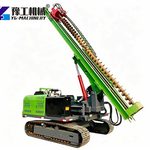
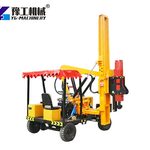
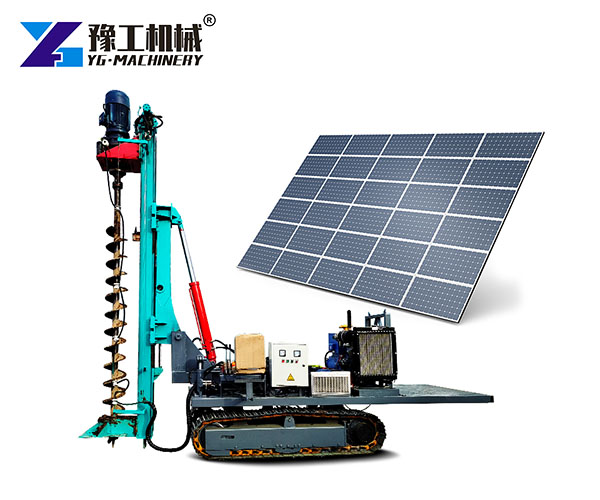
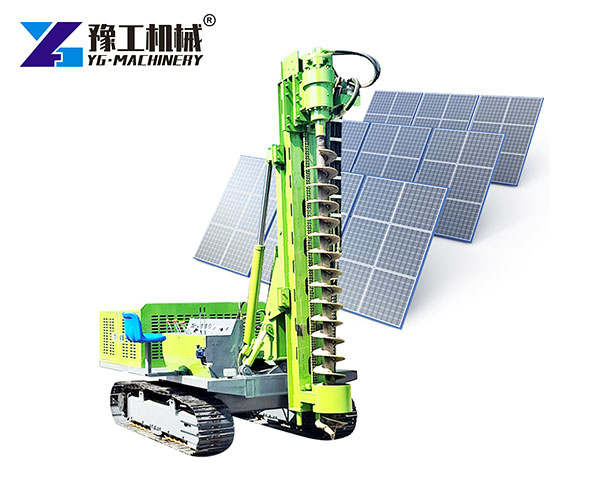
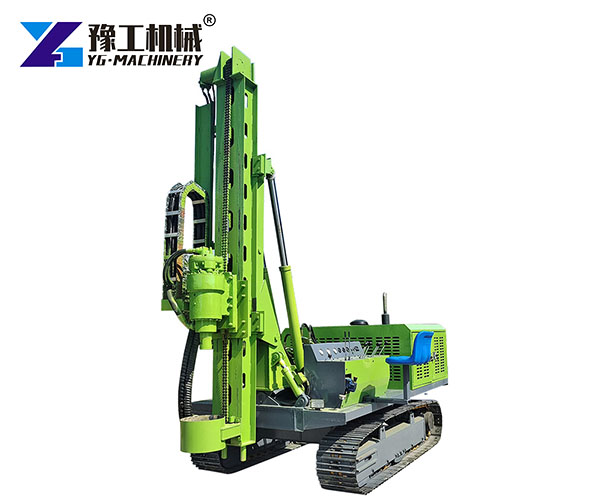
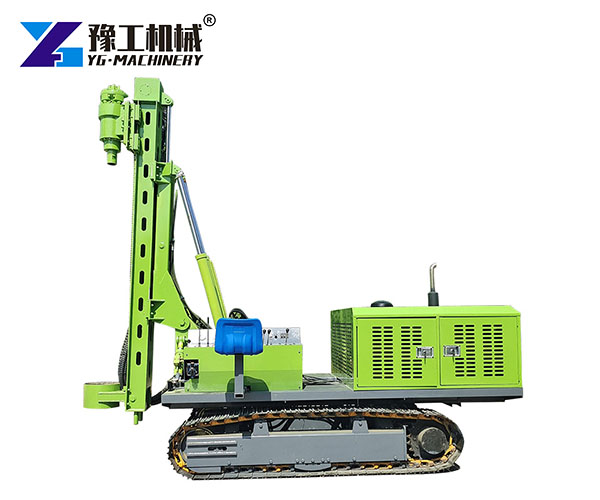
A dedicated Solar Pile Driver is designed for foundation piling work in ground-mounted photovoltaic projects. Depending on the model, it may use a tracked or wheeled chassis and support different piling methods.
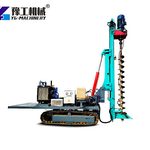
Its configuration focuses on repeated pile installation. Some models also offer drilling functions for projects that require pre-drilling. Buyers should check the actual specifications and available attachments before choosing a machine.
A dedicated machine can be worth considering when piling is a major part of the project. It provides an equipment configuration specifically intended for this type of work.
However, not every solar project requires the same machine. Pile dimensions, soil resistance, installation depth, and site access all affect equipment selection.
Solar Pile Driving Machine: How Excavator-Mounted Systems Work
An excavator-mounted system uses a pile-driving attachment installed on a compatible excavator. The excavator provides the base machine, while the attachment performs the piling operation.
This option can be attractive to contractors who already own suitable excavators. Instead of purchasing another complete machine, they can evaluate whether an attachment meets their project requirements.
Compatibility is essential. Buyers need to check the excavator’s hydraulic flow, operating pressure, lifting capacity, and attachment weight. The working reach and stability of the machine must also suit the intended piling operation.
A lower attachment price does not automatically mean a lower total project cost. Contractors should consider installation, compatibility, maintenance, and the excavator’s availability for other tasks.
Solar Pile Driving Equipment: Comparing Performance and Configuration
Dedicated solar piling machines and excavator-mounted systems serve similar purposes, but their configurations differ.
| Comparison factor | Dedicated solar piling machine | Excavator-mounted pile driver |
| Main configuration | Purpose-built piling machine | Excavator with piling attachment |
| Initial investment | Purchase of a complete machine | Attachment cost if a compatible excavator is available |
| Equipment utilization | Suited to planned piling operations | Depends on excavator availability and other duties |
| Mobility | Depends on tracked or wheeled design | Depends on the excavator chassis |
| Hydraulic system | Integrated into the machine configuration | Must match the excavator and attachment |
| Maintenance | Machine-specific maintenance | Maintenance for both excavator and attachment |
| Best fit | Projects with regular piling requirements | Contractors with suitable existing excavators |
A Photovoltaic Pile Driver should be evaluated according to its actual working capabilities. The same applies to excavator-mounted systems. Their performance depends on the base machine, attachment, pile type, and site conditions.
How Project Size and Workload Affect Machine Selection
Project scale is one of the first factors to consider.
For a large solar farm, contractors may need to install many piles over a defined construction period. A dedicated piling machine may be a suitable option when it can remain productive throughout the project.
For a smaller project, purchasing a complete machine may require more investment than the workload justifies. If the contractor already owns a compatible excavator, an attachment may be worth evaluating.
Short-term projects also require careful cost planning. The purchase price is only one part of the decision. Equipment availability, setup time, labor, maintenance, and potential downtime can affect the final cost.
Before making a decision, estimate the number of piles, expected daily output, project duration, and available working hours. These figures provide a more useful basis for comparison than price alone.
How Ground Conditions and Site Access Affect Equipment Choice
Ground conditions and site access can influence the choice of machine.
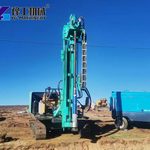
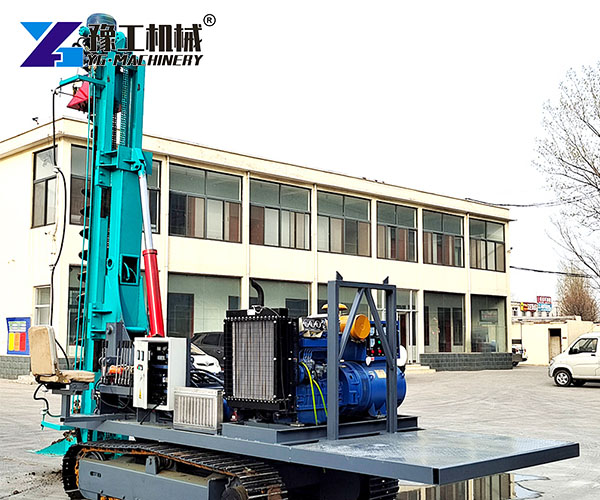
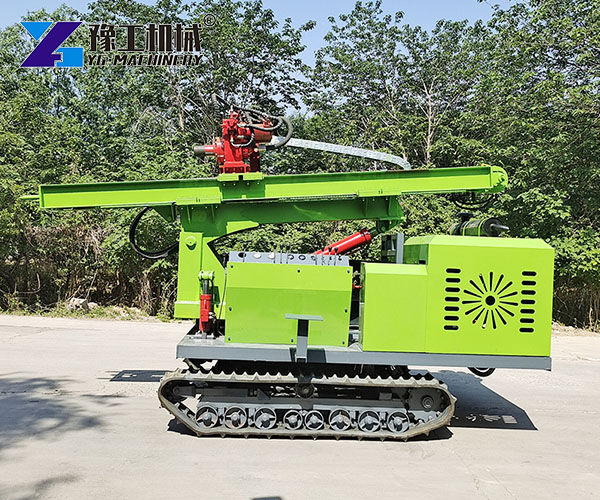
A Tracked Solar Pile Driver may be worth considering when the site requires tracked mobility. Its suitability depends on ground bearing conditions, gradients, machine weight, and available working space.
An excavator-mounted system may be practical where a compatible excavator can reach the working area and operate safely. However, the excavator’s size and attachment configuration must match the job.
Soil conditions are equally important. Soft ground, compact soil, and rocky layers can require different piling methods or additional drilling capability. Buyers should confirm whether the selected equipment can achieve the required pile depth under the expected conditions.
No single machine is suitable for every site. A technical assessment helps reduce the risk of selecting equipment that does not meet project requirements.
How to Compare the Total Cost of Solar Piling Equipment
When comparing equipment, consider the full cost of ownership rather than the initial quotation alone.
Key cost factors include:
- Purchase cost: The price of a complete machine or a piling attachment.
- Operating cost: Fuel, labor, and other daily operating expenses.
- Maintenance: Routine servicing, wear parts, and repairs.
- Equipment utilization: The amount of time the machine will be used.
- Downtime: Potential delays caused by unsuitable equipment or unavailable parts.
For contractors with existing excavators, an attachment may reduce the need for another complete machine. However, this advantage depends on whether the excavator is available and technically compatible.
For projects with regular piling workloads, a dedicated machine may offer a more suitable equipment arrangement. Compare both options using the same project assumptions before deciding.
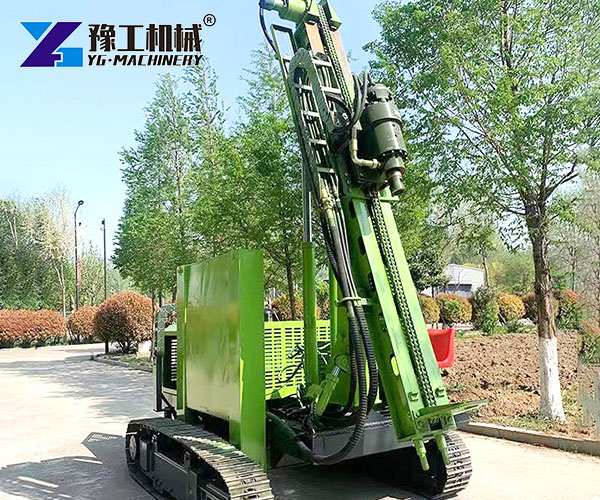
How to Choose the Right PV Pile Driver for Your Project
Before requesting a quotation, prepare the following project details:
- Pile type, material, dimensions, and required installation depth.
- Soil conditions and any known underground obstructions.
- Project size and estimated number of piles.
- Site terrain and access requirements.
- Available excavators and their hydraulic specifications, if applicable.
- Project schedule, budget, and maintenance requirements.
These details help suppliers identify suitable machine configurations. They also make quotations easier to compare.
YG Machinery can discuss your project requirements and help you evaluate available piling equipment. Confirm the machine’s technical specifications and compatibility before placing an order.
Contact YG Machinery for Solar Piling Machine Recommendations
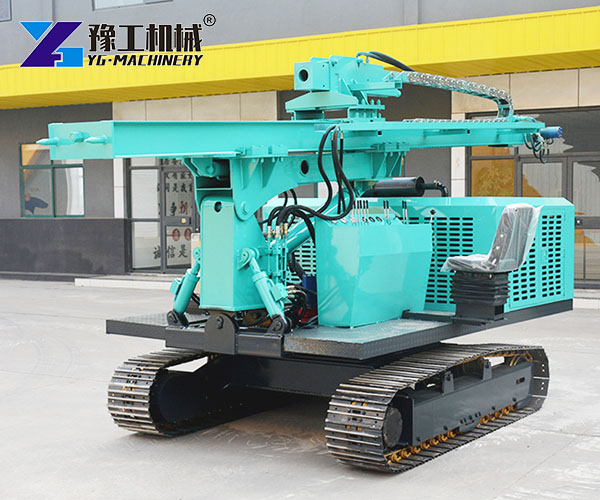
Choosing between a dedicated machine and an excavator-mounted system depends on your workload, site conditions, and existing equipment. Both options can be useful when correctly matched to the project.
YG Machinery welcomes inquiries from solar contractors, EPC companies, and equipment distributors. Share your pile dimensions, soil conditions, project scale, and preferred working method to discuss a suitable solution and request a quotation.【WhatsApp/WeChat/Phone/Skype】+86 13937183602