Choosing the right small excavator starts with understanding your worksite, project requirements, and budget. The right machine can improve productivity, reduce operating costs, and handle demanding jobs in limited spaces. YG Machinery offers equipment solutions for different construction needs. This guide explains the key factors to consider before making a purchase.
Match a Small Excavator to Your Worksite
Start by identifying the tasks you need to complete. Different projects require different machine sizes, digging capacities, and attachments.
Construction and Foundation Work
Foundation digging and small construction projects require reliable digging performance. Consider the required excavation depth, working radius, and soil conditions. A machine with sufficient power and stability can help you complete daily tasks more efficiently.
Landscaping and Backyard Projects
Landscaping often involves narrow access points and limited working space. A small digger machine can move around gardens, fences, and residential buildings with less disruption. Check the machine’s overall width and turning clearance before choosing a model.
Trenching and Utility Installation
Water pipes, drainage systems, and underground cables require accurate trenching. Check the maximum digging depth and reach. The right bucket width also helps you create trenches that match project requirements.
Farm and Specialized Applications
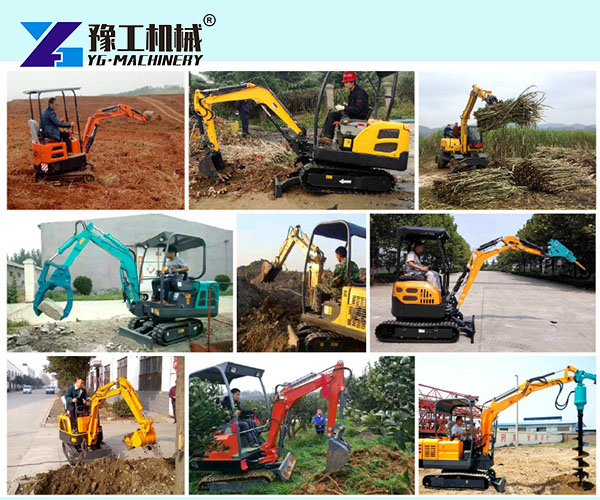
Farmers use excavation equipment for drainage, land preparation, and road maintenance. Contractors may also need hydraulic breakers or augers for specialized jobs. Choose a machine that supports your most frequent tasks.
Choose the Right Compact Excavator Size
Machine size affects digging capacity, transportation, and access to restricted areas. Consider these common operating weight classes as a starting point.
1-Ton Class
This class suits light landscaping, garden work, and small excavation tasks. Its compact dimensions make transportation and access easier. However, digging force and lifting capacity are limited compared with larger models.
1.5–2-Ton Class
These machines offer a practical balance between maneuverability and working capability. They suit residential construction, trenching, and general landscaping. This class is worth considering if you need one machine for several types of work.
3–4-Ton Class
Larger models generally provide greater digging capacity and a wider working range. They are suitable for heavier earthmoving and more demanding construction projects. However, they may require more transport capacity and working space.
How Do You Choose the Right Size?
Consider your daily workload, required digging depth, and site access. Also, check the machine’s operating weight and transport dimensions. Do not select a larger model simply because it offers higher performance. Choose a size that meets your actual needs.
Check Small Excavator Specifications That Matter
Specifications help you compare models and understand their practical capabilities.
Operating Weight and Dimensions
Operating weight affects transportation, ground pressure, and machine stability. Overall width and height determine whether the equipment can pass through gates, narrow paths, or low entrances.
Digging Depth and Working Reach
Maximum digging depth matters for foundations and trenches. Working reach determines how far the small digger machine can excavate without repositioning. Check dumping height as well if you regularly load soil into trucks.
Engine Power and Hydraulic Performance
Engine power supports demanding operations, but it is not the only performance factor. Hydraulic flow, system pressure, and control responsiveness also influence digging efficiency. Compare complete specifications instead of focusing on one number.
Tracks, Undercarriage, and Tail Design
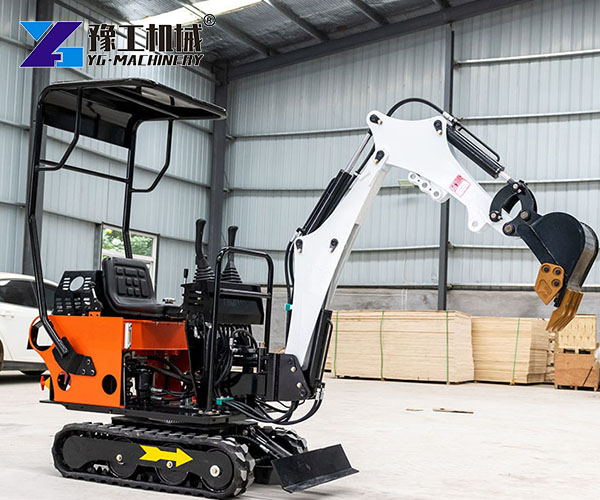
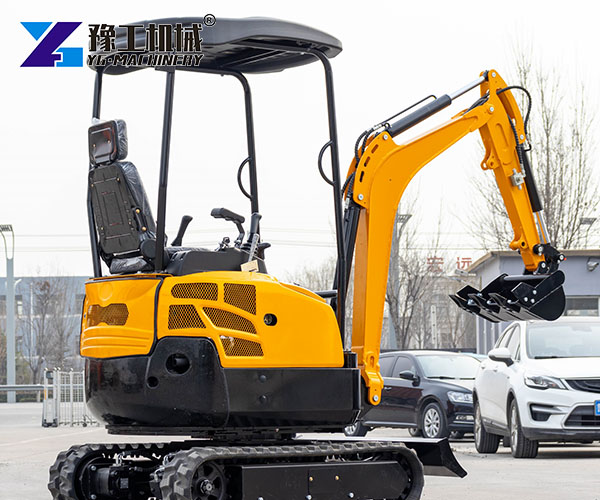
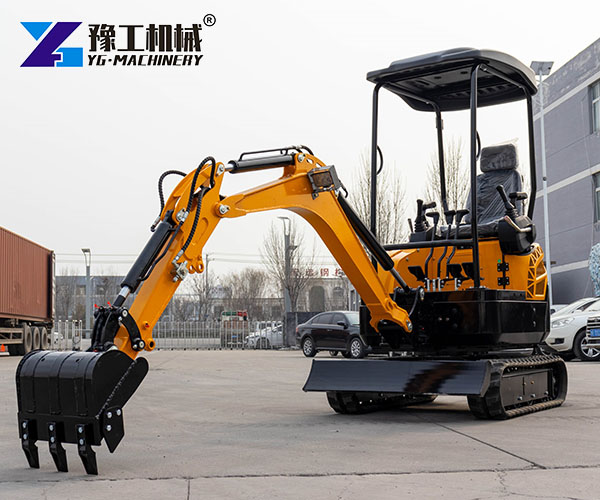
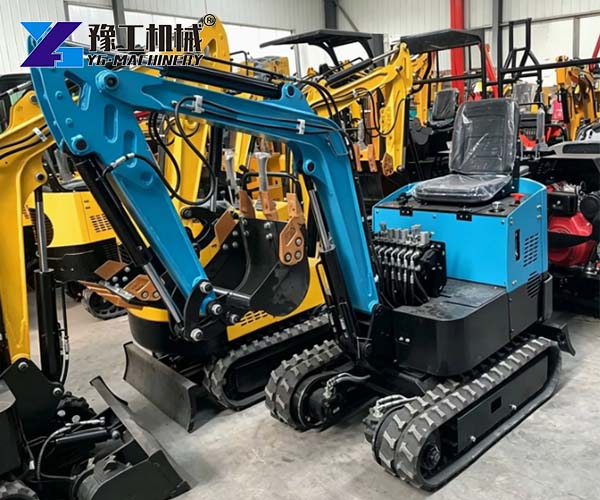
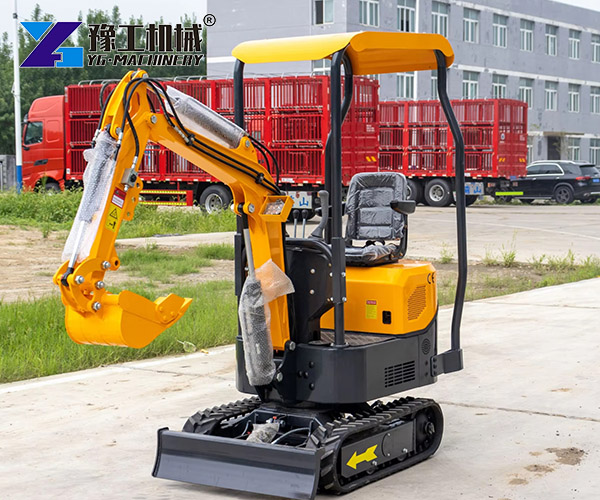
Rubber tracks are often suitable for landscaping and finished surfaces. Steel tracks may be better for certain demanding ground conditions. Retractable undercarriages can improve access through narrow entrances, while zero-tail-swing designs help operators work in confined areas.
Select Power and Features for Your Compact Excavator
The right configuration depends on your operating environment and expected workload.
Diesel or Electric Power?
Diesel models suit many outdoor construction applications and extended working periods. Evaluate fuel consumption, maintenance requirements, and local emissions regulations.
Electric models can be useful in indoor projects and noise-sensitive areas. Before purchasing, consider battery capacity, charging time, daily runtime, and charging infrastructure.
Canopy or Enclosed Cab?
An open canopy offers a simple, practical setup for many outdoor jobs. An enclosed cab provides greater protection from weather and may improve comfort during long working hours. Your local climate and working conditions should guide this decision.
Choose the Right Attachments
Common options include buckets, hydraulic breakers, augers, and quick couplers. Before ordering, confirm attachment compatibility, hydraulic connections, and the machine’s auxiliary hydraulic capacity.A micro excavator may be suitable for particularly restricted access, but its limited size can restrict digging and lifting performance. Always compare its capabilities with your project requirements.
Plan Your Budget and Operating Costs
Purchase price is only one part of equipment ownership. A realistic budget should include delivery, fuel or electricity, maintenance, repairs, and replacement parts.
What Affects the Purchase Price?
The mini excavator price depends on operating weight, engine specifications, hydraulic components, configuration, and included attachments. Manufacturing quality and warranty coverage can also influence overall value.
When comparing mini excavators for sale, review the complete specifications and included equipment. Check whether transportation, optional attachments, and other charges are included in the quotation.
Evaluate Long-Term Value
Estimate how many hours the machine will work each month. Compare expected project revenue with fuel, maintenance, transportation, and other operating expenses.
For contractors with regular workloads, owning equipment may offer greater control over scheduling. For occasional projects, renting may be more economical. Your expected utilization should guide the decision.
Evaluate a Mini Crawler Excavator Supplier
Choosing a reliable supplier is as important as selecting the right machine. A dependable manufacturer should provide clear specifications, consistent quality, and practical after-sales support.
Check Manufacturing Quality
Ask about production processes, assembly standards, and factory inspection procedures. Review the specifications of key components and request product photos or videos when an on-site inspection is not possible.
Confirm Performance and Technical Support
Request a detailed specification sheet and verify the machine’s digging depth, operating weight, and hydraulic capabilities. Demonstrations can help you understand how the equipment performs under real working conditions.
Also, review warranty terms, spare parts availability, and technical support. For international buyers, confirm shipping arrangements, export documentation, and applicable local compliance requirements.
YG Machinery can be considered as a supplier option when comparing equipment for your business. Contact the team to discuss available models, configurations, and project requirements.
Avoid Common Buying Mistakes
Several common mistakes can lead to unnecessary costs or reduced productivity.
- Choosing a machine based only on its purchase price.
- Selecting a size that does not fit the worksite.
- Comparing engine power without checking hydraulic performance.
- Ignoring transportation dimensions and loading requirements.
- Purchasing attachments without confirming compatibility.
- Overlooking warranty coverage and parts availability.
- Focusing on current projects without considering future workloads.
A careful comparison of specifications, operating costs, and supplier support can help you make a more informed decision.
Choose the Right Small Excavator with YG Machinery
The best small excavator is one that matches your work requirements, site conditions, and budget. Consider the intended application first, then compare operating weight, digging depth, working reach, power options, and attachments.
You should also evaluate long-term operating costs and the supplier’s ability to provide technical assistance and replacement parts.
YG Machinery can help you explore equipment options for construction, landscaping, trenching, and other applications. Contact YG Machinery today to request product specifications, discuss your project needs, and receive a quotation for a suitable model.【WhatsApp/WeChat/Phone/Skype】+86 13937183602